In long-term care, the term “restraint” often sparks debate among providers, therapists, and administrators. Restraints are physical or chemical devices that limit a resident’s movement and cannot be removed without assistance. While restraint use remains closely regulated, supportive seating systems are sometimes mistakenly viewed as restraints. Understanding the distinction is key to providing safer, more personalized care for the individual.
Why Facilities Hesitate with Wheelchair Positioning Devices
Many healthcare facilities hesitate to utilize positioning wheelchairs because they fear inadvertently using a restraint. At the same time, they’re responsible for protecting residents who are at risk of falls. No one wants to harm a resident, and the paperwork associated with restraints feels cumbersome, often requiring input from therapy, nursing, and support staff. Each facility has its own guidelines, and professionals must adhere to these, regardless of their personal views. This can lead to missed opportunities where positioning wheelchairs could significantly improve the patient’s comfort and mobility.

When are Physical Restraints Appropriate in Long-Term Care?
Facilities often find themselves balancing two equally important responsibilities: preventing avoidable falls while preserving each resident’s freedom of movement. Physical restraints are not prohibited in long-term care, but their approval is subject to strict federal regulations. During a survey, inspectors review documentation, observe resident care, and evaluate whether a restraint complies with CMS requirements. If a physical restraint is deemed clinically necessary, facilities should:
- Use the least restrictive intervention for the shortest time necessary.
- Reevaluate the resident’s need for the restraint on an ongoing basis.
- Never use restraints for staff convenience, discipline, or family preference in the absence of a medical symptom.
- Never use restraints to unnecessarily limit a resident’s freedom of movement.
- Only use restraints when a medical condition justifies their use to support the resident’s safety, well-being, or quality of life.
- Your facility must have an active plan in place to decrease restraint use or discontinue it whenever clinically appropriate.
Thorough documentation is just as important as appropriate use. A physician’s order alone is not enough to justify a restraint. Supporting documentation should reflect the resident’s assessment, medical symptoms, interdisciplinary care planning, ongoing physician oversight, and continued evaluation of whether the restraint remains necessary.¹
If surveyors identify noncompliant restraint use, they may expand their investigation and issue a deficiency citation, or tag. They also observe whether staff consistently follow each resident’s care plan across shifts. Because compliance extends beyond a physician’s order, facilities must ensure both documentation and implementation remain consistent. Leaders should make sure every member of the care team understands when, why, and how a restraint or supportive seating intervention should be used.
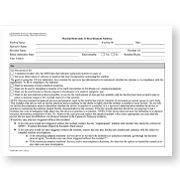
Physical Restraints Critical Element Pathway (HHS & CMS Form)
For a more detailed look at the surveyor’s process, here is the form that they use to evaluate correct use of restraints during a survey.
Examples of Potential Restraints in Long-Term Care
A restraint is not defined by the device itself but by how it is used. If a device restricts a resident’s movement and they cannot remove it independently, it may be considered a restraint. Many of these devices are introduced with safety in mind, particularly for residents at risk of falling. Still, the following examples illustrate how common equipment can cross that line.
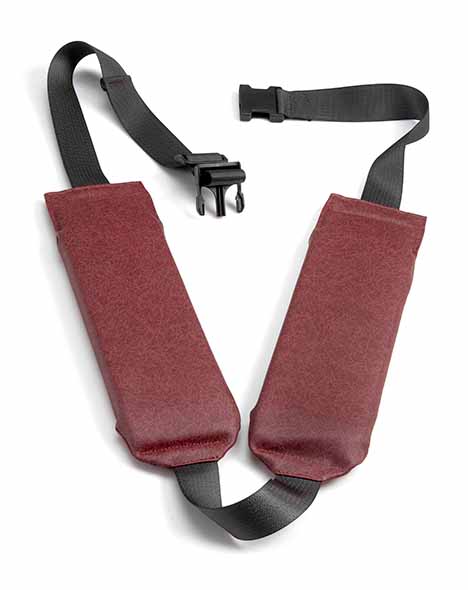
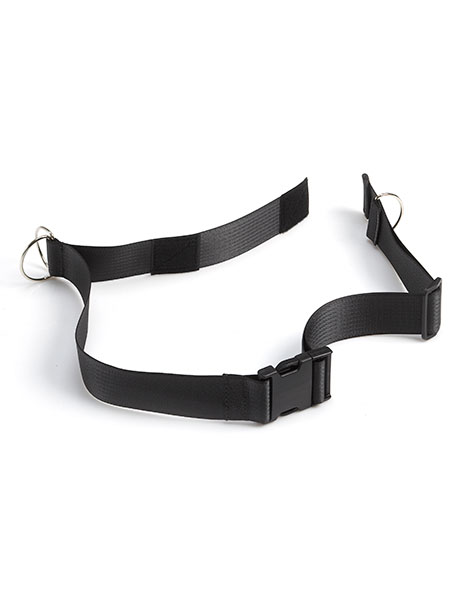
- Seat Belts and Bed Rails: Often used to improve safety but may be considered restraints if misused to limit a resident’s movement.
- Trays: Helpful during meals but may function as restraints if a resident cannot move the tray, or it remains in place longer than necessary.
- Pommel Cushions: Designed to reduce forward sliding but may be considered restraints if they prevent a resident who could previously stand from doing so on their own.
- Pressure Alarms: Intended to alert staff when a resident attempts to rise or move, but they may discourage movement if residents fear triggering the alarm.
- Bedsheets: Sheets tucked tightly enough to prevent movement may be considered a restraint.
- Tilt Wheelchairs: Tilt lowers the resident’s center of gravity, making independent sit-to-stand transfers more difficult. When used without a documented clinical purpose, tilt may be considered a restraint.
Psychological Harm from Incorrect Restraint Use
The effects of inappropriate restraint use extend beyond physical limitations. When care facilities use restraints unnecessarily, that decision negatively affects a resident’s emotional well-being and overall quality of life.
Inappropriate restraint use can have serious emotional consequences, including agitation, social withdrawal, depression, loss of dignity, shame, anxiety, and feelings of imprisonment or loss of freedom.1
Restraints can cause harm, so before restricting movement in an effort to prevent a fall, ask why the resident is trying to move.
Treat the Cause, Not the Behavior
When a resident tries to stand repeatedly, facilities tend to focus on the behavior. The more important question is why it’s happening.
Many standing attempts are not acts of defiance or poor judgment. An individual is attempting to meet an unmet need. They may be uncomfortable, sliding forward in the chair, experiencing pain, or trying to reposition themselves. Others may try to use the restroom, reach for a personal item, or participate in an activity taking place across the room. Residents with cognitive impairment may not be able to communicate their needs clearly, so they attempt to address them on their own.
The environment can also pose a problem. Ill-fitting footwear, loose clothing, or an obstacle in the room increases fall risk. Fatigue, anxiety, restlessness, and cognitive decline may also influence a resident’s decision to stand.
When clinicians respond only to the behavior, they risk treating the symptom instead of the cause. Restricting movement may reduce standing attempts temporarily, but it doesn’t address the discomfort, positioning issue, pain, or unmet need that prompted the resident to stand in the first place.
Positioning Starts with Standard Assessments
Many residents continue to view themselves as independent, even when their physical abilities have changed. Others hesitate to ask for assistance because they have spent a lifetime caring for themselves or others. As a result, a resident who is uncomfortable or trying to meet a basic need may attempt to reposition or stand without realizing the risk.
A thorough seating assessment looks beyond the behavior to identify what may be contributing to unsafe movement. Poor pelvic positioning can cause a resident to slide into a sacral sitting position. An improperly sized seat creates pressure points or fails to support the thighs, while inadequate trunk or lower-extremity support makes it difficult to maintain a stable, functional posture.
In addition to a seating evaluation, clinicians often rely on standardized assessments to build a complete clinical picture. The Braden Scale evaluates a resident’s risk for pressure injuries by assessing sensory perception, moisture, activity, mobility, nutrition, and friction/shear. Depending on the resident’s presentation, clinicians may also use assessments such as the Allen Cognitive Levels or the Functional Reach Test to better understand cognition, functional mobility, and fall risk. Together, these tools ensure therapeutic positioning is a clinical decision supported by assessment, documentation, and individualized care rather than assumptions.
Once you identify the source of the behavior, positioning becomes part of the solution. Proper seating improves comfort, reduces sliding, and provides the support needed to maintain a safer posture throughout the day. Tilt redistributes pressure and maintains pelvic alignment, while recline may accommodate range-of-motion limitations, support personal care activities, or improve comfort when clinically appropriate. Residents who spend long periods seated also require regular repositioning to help protect skin integrity.
By addressing the reasons residents attempt unsafe transfers, therapeutic positioning becomes part of a broader fall prevention strategy rather than simply another intervention. Supportive seating addresses many of the root causes of unsafe standing attempts while preserving comfort and function.
Documentation Supports Appropriate Use to Prevent Falls
Once the care team determines that therapeutic positioning is clinically appropriate, the next step is demonstrating that decision through clear documentation.
Few topics create more anxiety during a survey than restraints. Facility leaders want to protect residents from falls while also avoiding interventions that could be cited as unnecessary restraints. Those competing responsibilities can make supportive seating feel like a difficult decision.
The reality is that restraints are not prohibited. In some situations, they may be clinically appropriate while the care team evaluates a resident’s progressive condition or works to address repeated falls or other unsafe behaviors.
That’s where documentation becomes essential. It should clearly demonstrate the resident’s assessment and clinical recommendations. Armed with this information, the conversation shifts to how best to support the resident’s health and function.
Consistent Use Across the Care Team
A seating intervention is only effective when the entire care team understands how and why it should be used. Even the most thorough assessment and documentation falls short if staff members position residents differently from one shift to the next or make adjustments based on preference instead of the care plan.
Training creates consistency across nursing, therapy, and caregiving teams. Staff should understand the clinical purpose behind a resident’s seating system, how to use features such as tilt and recline appropriately, and when to return the resident to a functional position. They should also know how to recognize changes in posture, comfort, skin integrity, or mobility that may indicate the care plan needs to be reassessed.
Consistent communication is just as important. Many facilities have documentation nurses who keep track of the residents’ progress. Changes in a resident’s condition, positioning needs, or tolerance for a seating intervention should be documented and shared with the interdisciplinary team rather than addressed informally from shift to shift.
Manufacturers also play an important role in ongoing education. Broda offers product training, educational resources, and support from local representatives to help facilities build staff competency and reinforce best practices over time. Incorporating these resources into orientation and refresher training help every member of the care team apply seating interventions consistently.
Putting Therapeutic Positioning into Practice
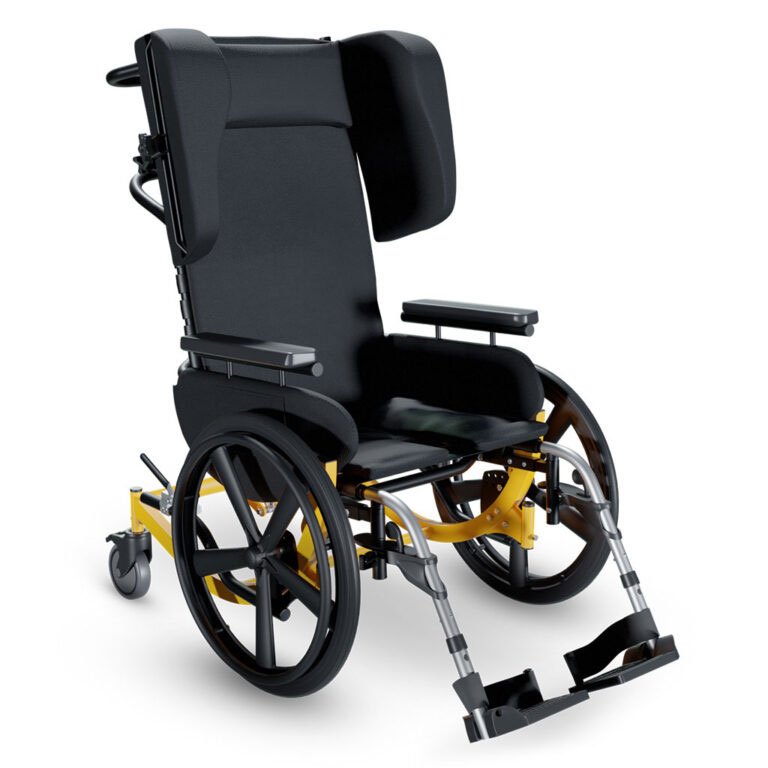
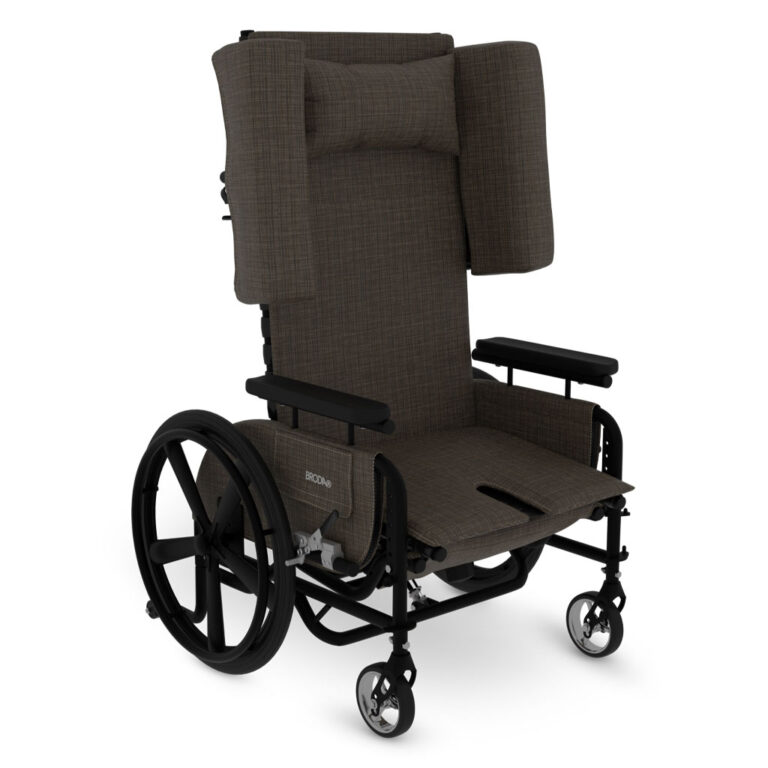
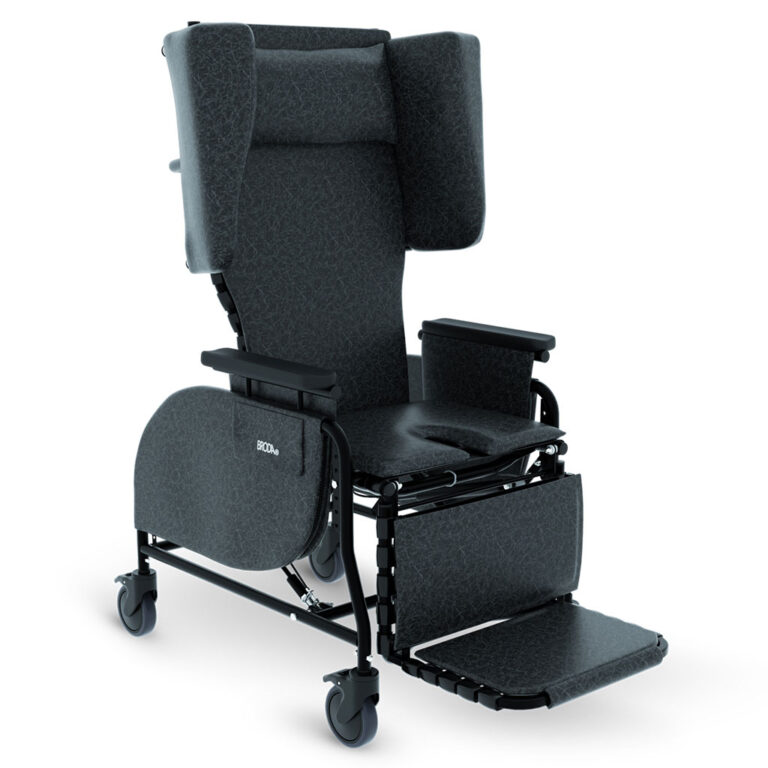
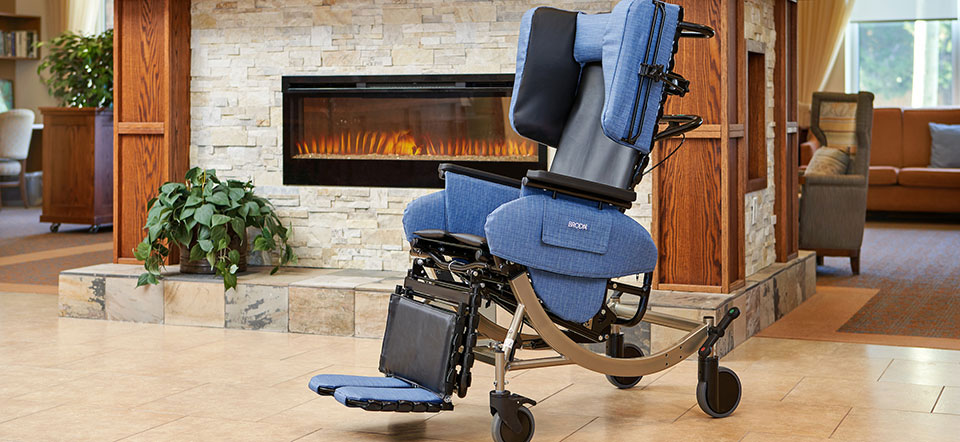
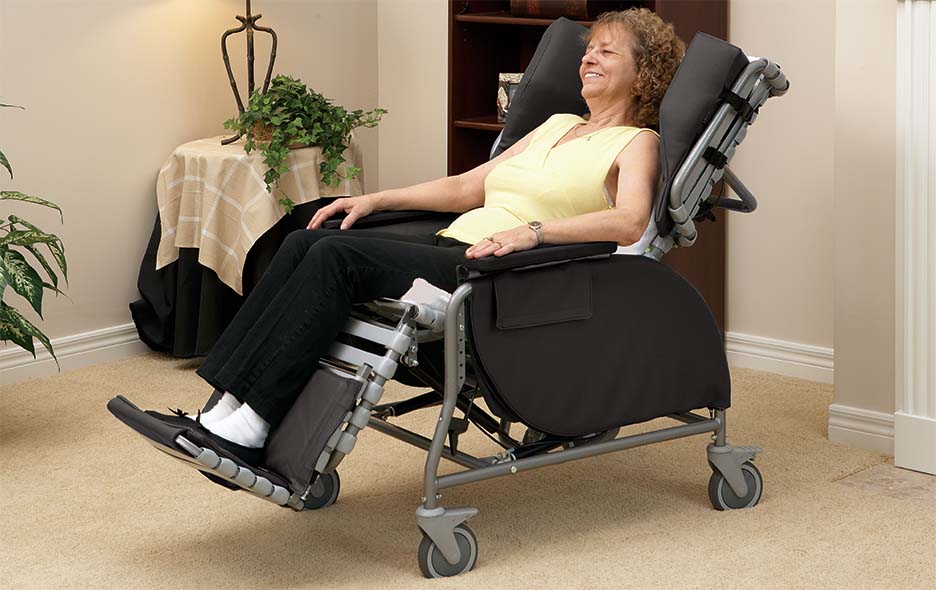
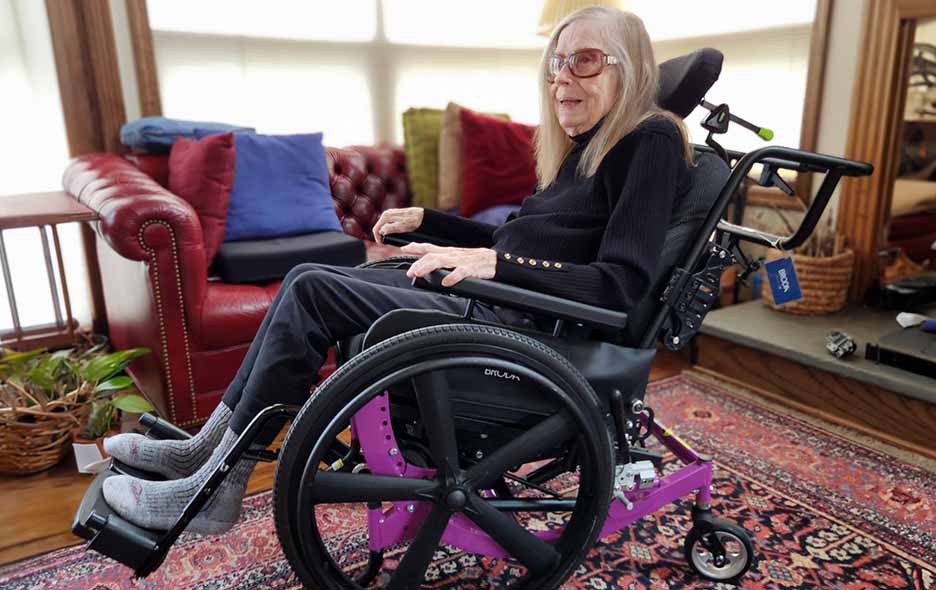
When used appropriately and supported by a thorough clinical assessment, a Broda tilt and recline positioning wheelchair is a therapeutic intervention, not a restraint. Rather than limiting movement for convenience, it addresses underlying clinical needs, supports proper positioning, and helps residents participate more comfortably in daily life.
Positioning That Supports Clinical Care
Clinicians prescribe Broda positioning wheelchairs to meet specific clinical needs identified during a seating assessment. When all other wheelchairs fail, and a thorough evaluation by therapy or nursing justifies its use, the Broda chair is essential rather than restrictive.
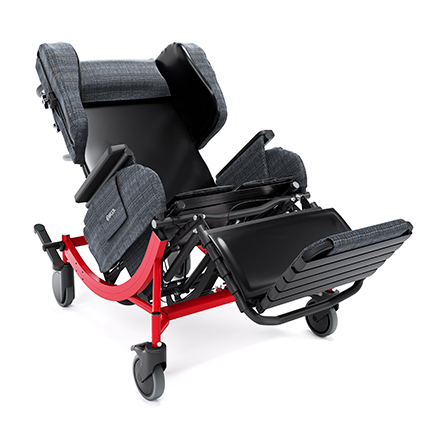
Its positioning features address many of the factors that contribute to unsafe movement. Tilt redistributes pressure and supports pelvic alignment, while recline accommodates range-of-motion limitations and improves comfort when clinically appropriate. Together, these features maintain skin integrity, reduce pain, and support everyday function.
Mobility, Comfort, and Independence
Broda tilt-in-space wheelchairs provide a variety of benefits that enhance mobility and improve well-being.
- Fall Risk Reduction: By improving comfort and minimizing the need for frequent position changes, Broda chairs reduce the likelihood of falls.
- Infinite Adjustability: The chairs adapt to individual needs, providing optimal support and positioning.
- Ergonomic Design: Features such as low seat height, reverse mag wheels, and ergonomic self-propulsion support greater independence and mobility.
- Patient-Centered Design: By addressing pain, positioning, and line of sight, Broda chairs help residents remain engaged in their surroundings.
Unlike many tilt-in-space wheelchairs that pivot from the rear and direct a resident’s gaze toward the ceiling, Broda’s front-pivot seat tilt lowers the rear of the chair while maintaining a natural forward line of sight. This allows residents to interact with caregivers, family members, and activities around them while still receiving the clinical benefits of tilt.
These design features do more than improve positioning. They help residents remain engaged in everyday life while preserving comfort, function, and dignity. Over the 40+ years that Broda has served the long-term care industry, we have seen thousands of individuals become comfortably mobile after being confined to bed for months or even years. When residents spend time out of bed and participate in activities of daily living, socialization, and community events, they experience a higher quality of life.
A Case Study in Effective Positioning
The difference between positioning and restraint becomes clearer in practice. Consider a Huntington’s Disease mid-stage resident who could still transfer independently. Initially, Broda recommended an Encore Pedal Wheelchair, but the facility hesitated. The resident began sliding forward, prompting the therapist to suggest a pommel cushion—a restraint. By choosing a Broda tilt-in-space wheelchair instead, the facility addressed the resident’s positioning needs without unnecessarily restricting mobility, demonstrating how proper seating often eliminates the need for more restrictive interventions.
Conclusion
Every seating decision begins with the resident. When clinicians identify the individual’s needs, document their reasoning, and select the least restrictive intervention, supportive seating becomes part of personalized care—not a restraint.

Learn more about how Broda can contribute to your long-term care needs. Contact a Broda Sales Representative today!
References
- Schrock, M. (2017, November 17). Physical Restraints F604. Columbia, MO; University of Missouri.
- Department of Health and Human Services Centers for Medicare & Medicaid Services. (2015, July). Physical Restraints Critical Element Pathway.