Modern durable medical equipment (DME) maintains mobility and a higher quality of life for patients in long-term care. How to properly select, prescribe, repair, and configure equipment for each user and environment is a difficult, ever-evolving endeavor. Selecting the right nursing home equipment presents one of many critical decisions that influence resident comfort, clinical outcomes, and quality of life in long-term care settings.
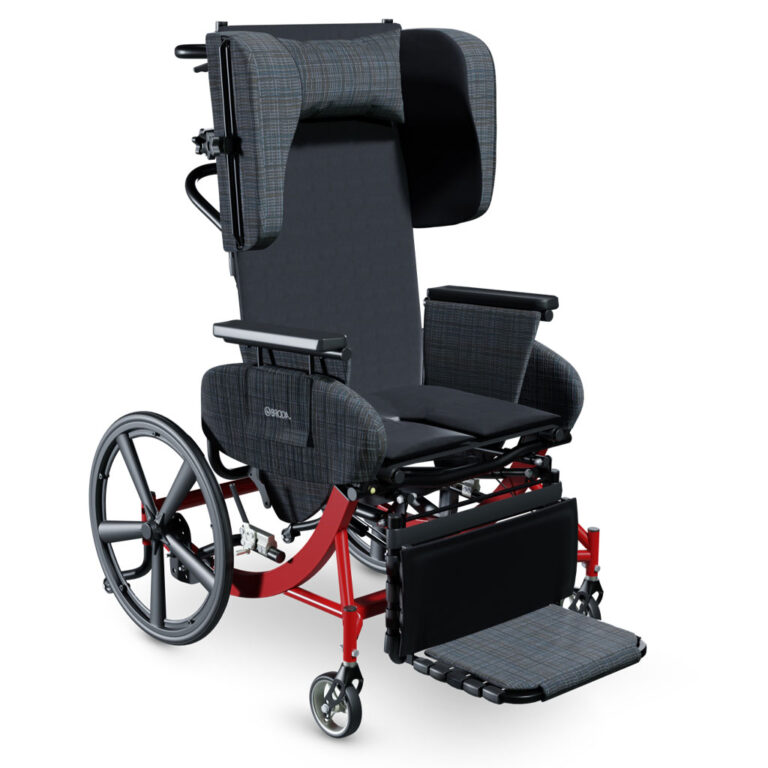
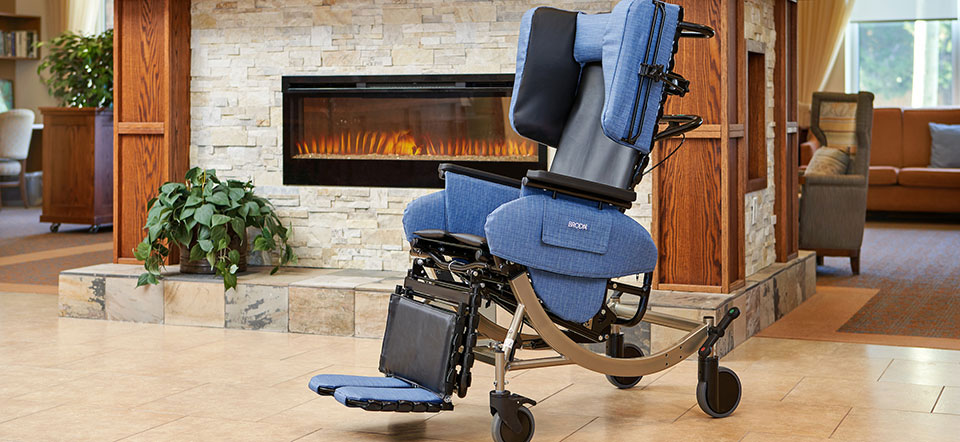
Recently, after obtaining our Synthesis Positioning Wheelchair for a dependent long-term care resident, the Director of Nursing at a skilled nursing facility sent a message highlighting the difference our DME product brought to this person. The director said that since changing to Broda’s seating solution, the man’s outcome has changed and he “has been feeding himself, he smiles and laughs like he used to, and he is showing no signs of pain.”
However, the equipment can only be beneficial if it is high quality and has enough functionality to offer the right support. Otherwise, the inferior quality or limited features of the equipment could make life harder and less comfortable for users and their care teams.
How the Right Nursing Home Equipment Can Alleviate Symptoms
The primary goal of DME in long-term care is to maintain the ability to perform activities of daily living (ADLs). Many residents spend most of the day or all day sitting in chairs or being maneuvered by lifts. In the worst situations, some residents are confined to their beds, isolating them completely from others and social activities. Mobility equipment is essential for their participation in ADLs. However, the right wheelchairs, shower commode chairs, and lifts approach care and symptom relief in vastly different ways.
The wheelchair seating system and overall functionality must allow for easy position changes to relieve pressure and maintain skin tissue integrity throughout the day. For users who cannot shift their weight independently, the seating surface needs to also allow for micro-movements and repositioning of the pelvis to relieve pressure in critical areas. Reclining and tilting helps users avoid pressure injuries, poor posture, or sliding out of the chair.
Proper support and versatile recline and tilt also facilitate the practical use of upper extremities. Being in a more action-ready position means users can sit upright, feed themselves, and perform ADLs with a lower risk of pain, falling, or injuring themselves.
In addition to direct physical support, highly functional mobility equipment promotes proper organ function. For example, posterior tilt allows for optimal aspiration, oxygenation, and blood flow in the human body. This positioning has a domino effect; it improves digestion and other physiological and behavioral processes along the way.
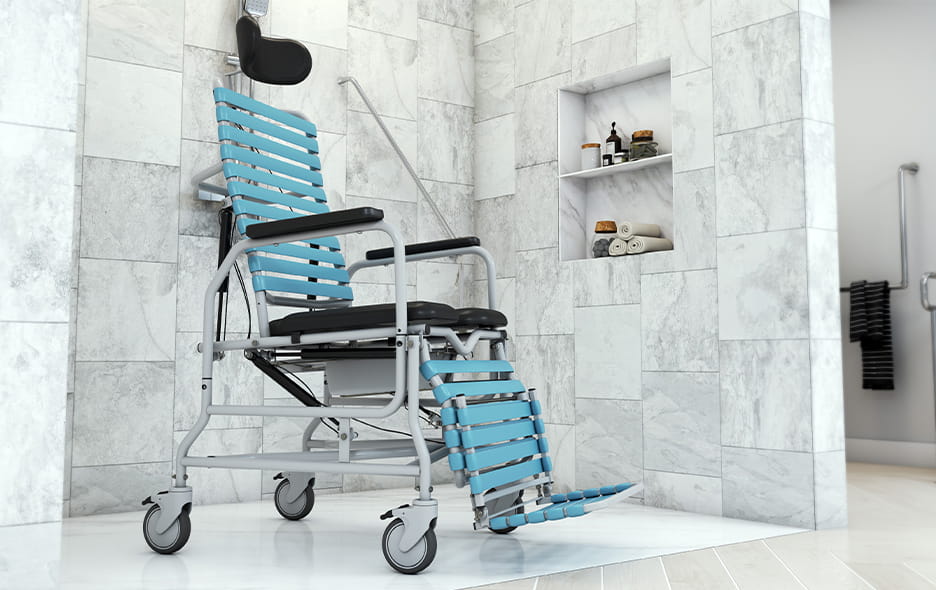
Factors to Consider When Evaluating Nursing Home Equipment
1. Resident Fit and Clinical Assessment
No single piece of nursing home equipment meets the needs of every resident. Before selecting a mobility solution, conduct a thorough assessment of the resident’s physical abilities, cognitive status, postural support requirements, and daily care needs.
An effective assessment acknowledges more than a resident’s current condition. Progressive diseases, changing mobility levels, and evolving care requirements affect equipment suitability over time. Select equipment that accommodates future needs and reduces the need for premature replacements.
Determine how equipment will function within the resident’s broader care plan. The most successful equipment selections result from a comprehensive evaluation process that balances clinical requirements, caregiver needs, and long-term goals for the resident.
2. Caregiver Efficiency
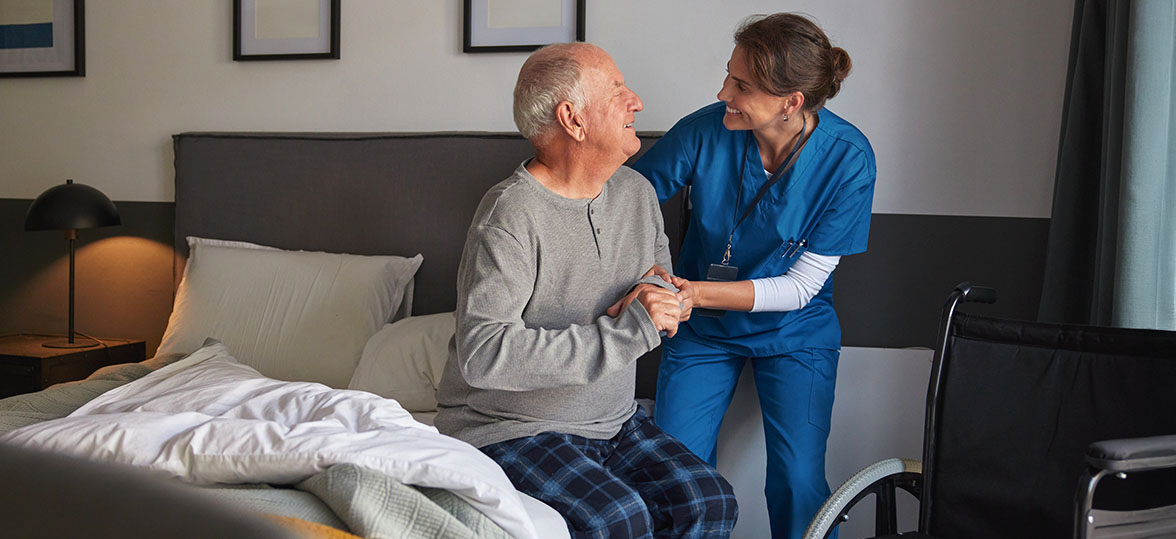
Equipment influences more than resident outcomes. It also affects how efficiently staff deliver care throughout the day. Complex or cumbersome equipment slows routine tasks, increases physical demands on caregivers, and creates inconsistencies in implementation.
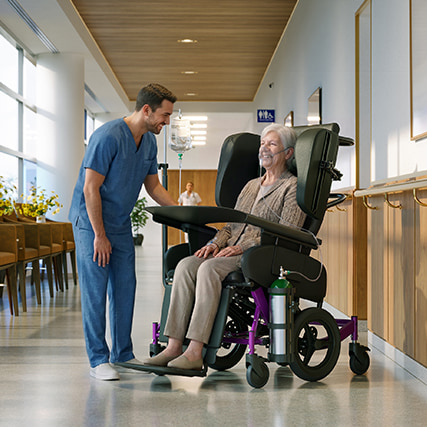
To evaluate whether equipment improves workflow, ask the following:
- Does one caregiver need assistance from a second staff member?
- How many adjustments are required?
- Can staff reposition residents quickly during a busy shift?
- Does the equipment support consistent use across varying experience levels?
Evaluate how easily staff can perform transfers, repositioning, transportation, and other daily care activities. Solutions that simplify workflows allow caregivers to spend more time focusing on residents rather than managing equipment-related challenges.
Caregiver safety should also play a role in the evaluation process. Long-term care staff perform physically demanding tasks throughout the day, often assisting residents with transfers and mobility-related activities. Equipment that reduces manual handling requirements and supports safer movement minimizes the physical strain on caregivers. Over time, these considerations contribute to fewer workplace injuries, reduced staff fatigue, and a safer environment for both residents and care teams.
3. Durability and Lifecycle Value
Purchasing decisions should account for more than upfront costs. Nursing home equipment experiences constant daily use, making long-term reliability an important consideration for facilities operating under tight budgets and staffing constraints.
Facilities should consider how frequently components require replacement, whether environmental services can clean the equipment efficiently, and how readily parts are available when repairs become necessary.
Evaluate expected product lifespan, maintenance requirements, and replacement schedules to provide a more accurate picture of total ownership costs. Equipment should maintain its performance over time and deliver greater value while reducing disruptions caused by repairs or unexpected downtime.
4. Supplier Partnership and Support
The quality of the equipment supplier can be just as important as the equipment itself. Ongoing clinical support, product training, responsive service, and access to replacement parts all contribute to successful implementation.
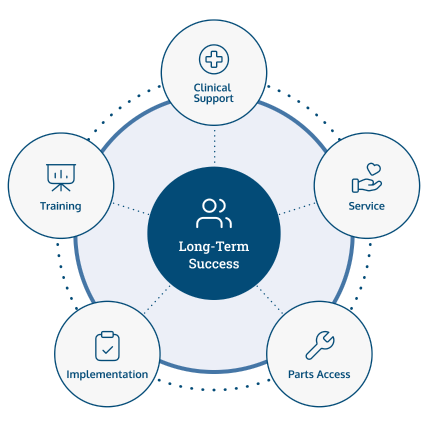
What support should you expect?
- Clinical education
- Implementation assistance
- Product evaluations
- Responsive troubleshooting
- Service turnaround times
Facilities should seek supplier partners that provide these resources throughout the life of the equipment. At Broda, we have found that ongoing clinical support, education, and responsive service often play an important role in successful implementation and long-term outcomes.
5. Alignment with Facility Goals
Equipment decisions should support broader organizational objectives rather than solve a single clinical challenge. Before investing in nursing home equipment, clinicians and administrators should consider how a solution aligns with the facility’s strategic priorities and quality initiatives.
For some facilities, reducing falls or pressure injuries may be a primary focus. Others may prioritize improving resident satisfaction, supporting staff retention, reducing workers’ compensation claims, or improving operational efficiency. The right equipment should contribute to measurable improvements that support these larger goals.
This is not an isolated product decision. Successful equipment programs often involve collaboration among nursing leadership, therapy teams, frontline caregivers, purchasing stakeholders, and administrators. By evaluating equipment through both a clinical and operational lens, facilities can make investment decisions that deliver value across multiple departments and support long-term organizational success.
Find the Best Solutions
The most effective equipment programs do more than address an immediate clinical need. They support safer care delivery, improve operational efficiency, and help facilities achieve their long-term care objectives.
When evaluating equipment for long-term care environments, consider not only functionality and durability, but also how effectively a solution supports resident outcomes and quality of life. Invest in equipment that addresses both clinical and operational needs for residents and care teams alike.
For more information about Broda’s mobility and positioning solutions, contact our team. We’re happy to discuss your facility’s unique challenges and help identify equipment that supports safer, more effective care.

Ready to learn more?
Chat with a dedicated team member today!