Pressure injuries affect millions of people every year, each of them a unique individual whose life is impacted by physical discomfort and medical setbacks.
The National Pressure Injury Advisory Panel (NPIAP) provides a sobering bird’s eye view of pressure injuries in the US, including the following data:
- There are 2.5 million pressure injury cases every year.
- Pressure injuries are the second most common diagnosis.
- There are 60,000 associated deaths per year.
- The annual healthcare cost is $26.8 billion.
For caregivers and individuals managing limited mobility, it’s essential to understand how these wounds develop and what steps can be taken to prevent them in order to maintain one’s health, comfort, and overall quality of life.
What Are Pressure Injuries, Pressure Sores, and Bed Sores?
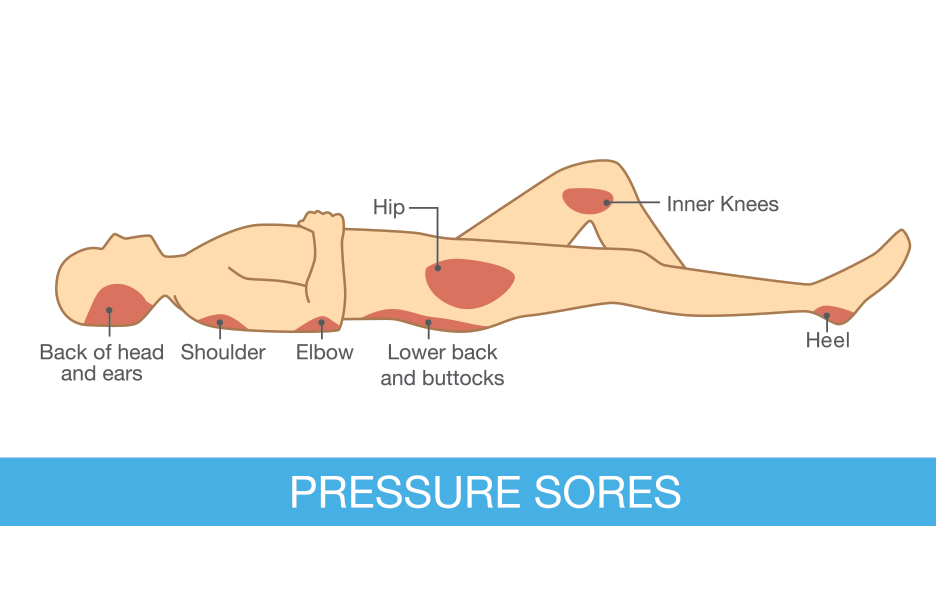
Pressure injuries are wounds that develop as a result of sustained pressure that damages an individual’s skin and the underlying tissue. These pressure injuries typically form over bony areas of the person’s body, including their tailbone, hips, heels, and shoulder blades.
These injuries are commonly referred to as bed sores in everyday language. The reason the official terms used by healthcare professionals are “pressure injuries,” pressure ulcers,” or “pressure sores” is because these terms more accurately describe the root cause of these injuries and the forms they take.
The reason “bed sores” has become a common non-clinical term for these injuries is that people associate them with patients who develop these sores when lying in bed for extended periods of time. However, pressure injuries can just as easily form while sitting in a wheelchair.
Pressure injuries most often affect people with limited mobility, including older adults, people with spinal cord injuries, individuals who are recovering from surgery, and those who are unable to independently change positions.
How Pressure Injuries Develop
Pressure injuries form as a result of three different forces that cause damage to one’s skin and underlying tissue: Sustained pressure, friction, and shear forces.
- Sustained pressure: This results from body weight pressing on a bony area for an extended time. The pressure reduces an individual’s blood flow to their skin and deeper tissues. Blood flow is essential for providing cells with oxygen and nutrients. Therefore, the lack of blood flow leads to tissue damage.
- Friction: This comes from skin rubbing against surfaces like bedding, chair fabric, and similar materials. Rubbing against these surfaces damages the outer skin layer, and over time, this worsens, leading to skin breakdown.
- Shear forces: These forces develop when an individual’s skin moves in a different direction from the underlying tissue. Shearing often occurs during transfers, sliding down in a chair, and daily activities. Shear forces damage blood vessels and tissue well below the skin’s surface. This damage often happens without visible signs of the damage.
Causes and Risk Factors
While pressure, friction, and shear create the physical conditions for tissue damage, several factors increase a person’s vulnerability to developing pressure injuries:
- Poor posture and postural collapse: Pressure concentrates in specific areas when individuals are unable to maintain proper positioning or independently shift their weight.
- Immobility: The inability to move independently or change positions places a person in the highest risk category for pressure injuries.
- Moisture: Moisture from perspiration, incontinence, or wound drainage can make people more susceptible to skin breakdown.
- Poor nutrition: Lack of essential nutrients like protein, vitamins, and proper hydration leads to unhealthy skin and slow tissue repair.
- Aging: Skin becomes thinner, less elastic, and more fragile as people get older.
- Chronic illness: Conditions like diabetes, heart disease, and congestive heart failure impair circulation, reduce sensations that alert an individual to sores, and slow the healing process.
Other risks include impaired cognition, obesity, postural deformities, edema, and poor hygiene.

Early Signs and Stages
Healthcare professionals classify pressure injuries into four primary stages based on tissue damage:
Stage 1
Stage one pressure injuries present as non-blanching redness. The skin is intact, but may feel warmer or cooler than surrounding skin and may be painful.
Stage 2
Stage two wounds look like a shallow, open ulcer, pink wound bed, or a ruptured blister, and always represent partial skin loss.
Stage 3
Stage three pressure injuries are full-skin thickness wounds. These injuries will present with visible fat tissue, but no bone, tendon, or muscle exposure.
Stage 4
Stage four involves full-thickness tissue loss. These are the most severe and visible wounds and involve exposed bone, tendon, or muscle.
Unstageable Pressure Injuries
In addition to these four stages, there are also injuries that cannot be staged. This is due to wounds where the base is covered by dead tissue. This makes it impossible to visualize the stage without removal. These wounds may present with a purple or maroon discoloration, which is a warning sign of deep tissue damage before skin breakdown occurs.
Prevention Strategies
Preventing pressure injuries requires consistent adherence to skin preservation best practices. People who are limited to the bed need to be turned every two hours. Wheelchair users need more frequent repositioning: typically every 15 to 30 minutes.
Caregivers should inspect skin around bony prominences every day. Skin assessments commonly occur during hygiene care. It’s essential to keep skin clean and dry, and use barrier creams as needed to protect fragile skin. Managing a healthy diet also supports skin health and increases healing capabilities.
Supportive seating is an important part of a successful strategy in preventing injuries, by ensuring proper positioning, supporting the trunk and pelvic region, and distributing weight to reduce pressure points.
Treatment and Ongoing Care
When pressure injuries develop despite prevention efforts, prompt attention can prevent worsening and support healing.
Wound care requires keeping pressure sores clean and protected. Healthcare providers will assess the wound’s stage, location, and size when determining treatment.
Different sizes and stages require different dressings, pressure relief protocols, nutritional interventions, and management of underlying conditions.

If a caregiver identifies the following, they should contact a healthcare provider for professional assessment and treatment:
- Areas of non-blanching redness
- Breaks in the skin over a bony area
- Warmth, swelling, drainage, odor, or fever
- A wound that is failing to improve
How Proper Seating Helps Reduce Pressure Injury Risk
Seating systems designed to prevent pressure injuries are an important part of a successful care routine. These modern seating designs distribute body weight across multiple points to prevent pressure on bony areas.
Features like seat tilt mechanisms help caregivers safely shift the individual’s position to move pressure away from vulnerable areas while reducing the frequency of transfers and manual repositioning.
Make sure that the wheelchair is designed to support the pelvis and trunk to prevent postural collapse and avoid sliding that creates shear forces.
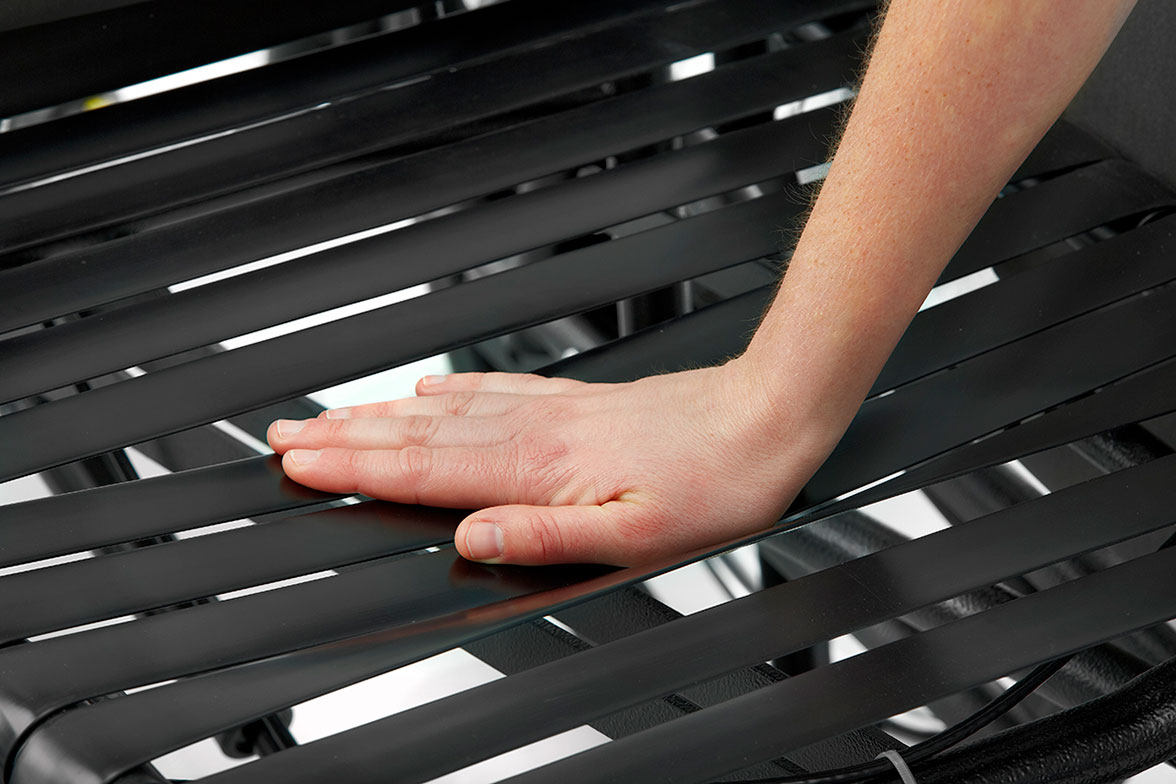
Broda’s Comfort Tension Seating system is an excellent solution. It is made of multiple straps that mold to each individual’s body shape, while distributing their weight evenly across multiple support points. This design increases sitting tolerance and reduces pressure concentration that leads to pressure injuries.
Our wheelchairs and supportive cushion packages are designed to provide additional comfort and support that helps prevent pressure sores.
Improving Quality of Life
Effective prevention and care do more than just reduce the risk of physical pain and diminished health from bed sores and other pressure injuries. Individuals often suffer a sense of social isolation, depression, and reduced independence on top of the pain stemming from pressure injuries.
With proper preventative processes, caregivers and patients both experience a better quality of life with less emotional and physical stress.
Ready to learn about Broda’s wheelchair seating systems and how they improve individuals’ health and comfort while reducing their risk of pressure injury?
Explore our pressure-redistributing wheelchair seating solutions.

Ready for a quote or have questions?
Chat with our friendly team today!