Proper Wheelchair Positioning Reduces Pressure Injuries
Pressure injuries (also known as pressure ulcers or pressure sores) cause over 60,000 deaths per year.1 A poor seating position can lead to inordinate amounts of pressure being placed on bony prominences in the body, contributing to skin breakdown and pressure injuries.2
For individuals who spend extended periods sitting in a wheelchair, proper positioning and pressure redistribution are essential. The right wheelchair cushions and specialized wheelchair seating surfaces for pressure sores help reduce prolonged pressure, improve comfort, and support skin protection
Cost-Saving Pressure Sore Preventative Measures
Pressure injuries and ulcers cost healthcare providers and patients over $11.6 billion USD per year.1 The average cost to treat a single pressure injury is approximately $10,700 USD, with some individuals experiencing multiple wounds.1
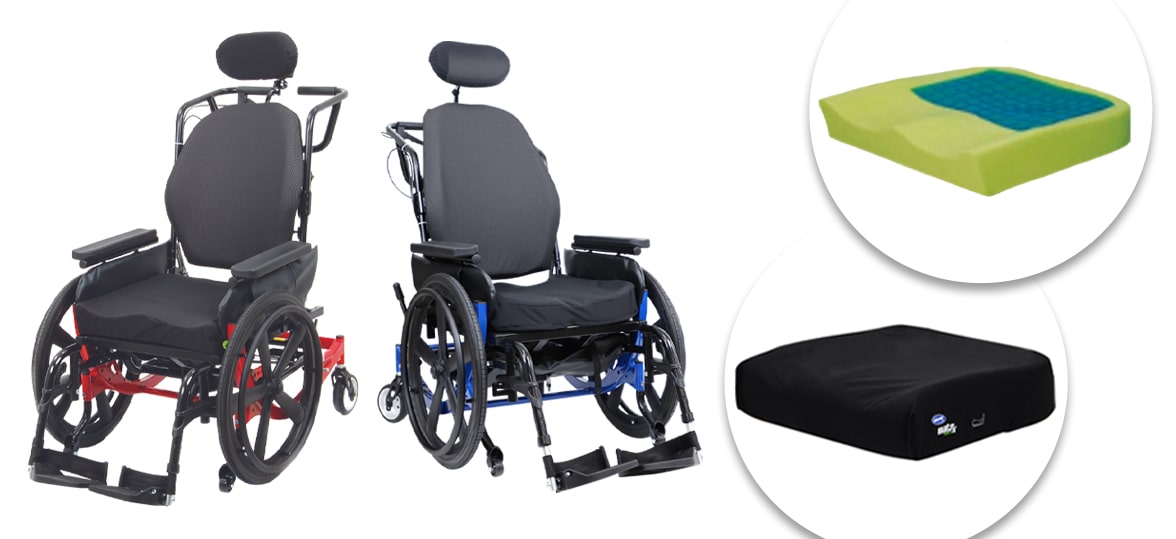
Our Recommended Wheelchairs with Cushions for Pressure Sores
Beyond financial costs, pressure injuries can significantly impact comfort and quality of life. In fact, 84% of pressure injury patients report pain even while at rest.3
Pressure injuries caused by prolonged sitting can often be prevented. Choosing wheelchair seat cushions for pressure sores, pressure-redistributing seating surfaces, and proper wheelchair positioning can help:
- Reduce pressure buildup
- Improve weight distribution
- Minimize skin breakdown
- Reduce friction and shear
- Improve sitting tolerance and comfort
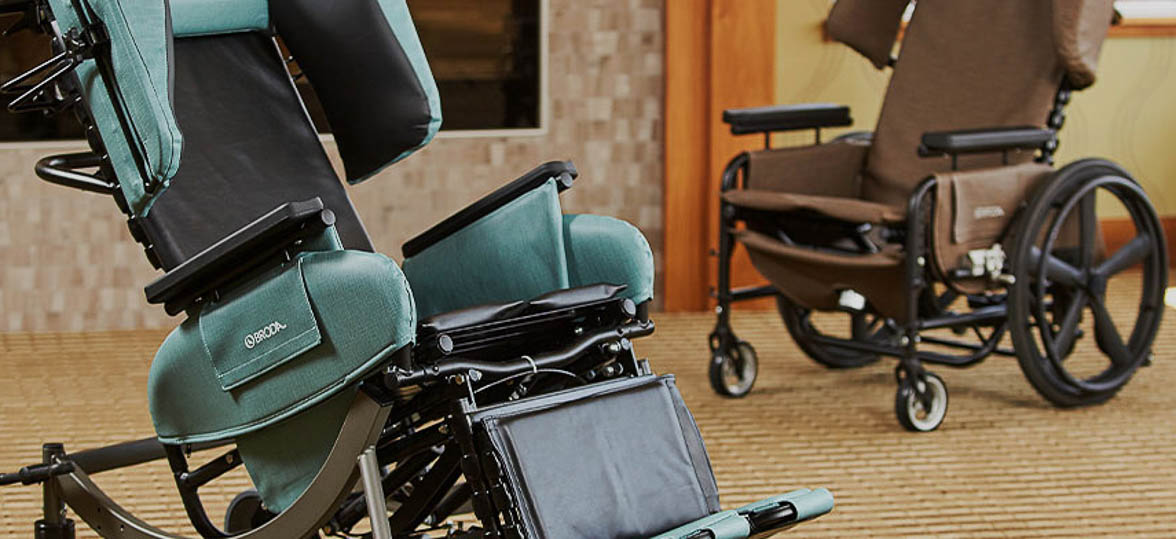
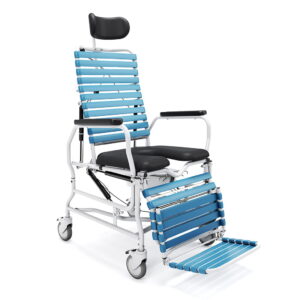
Broda positioning wheelchairs are designed to support pressure redistribution while helping users remain comfortable, mobile, and properly positioned throughout the day.
For additional prevention strategies and skin protection guidance, check out these blogs:
- How to Prevent Pressure Sores in Wheelchair Users
- Pressure Injuries, Pressure Sores, and Bed Sores: Causes, Prevention, and Care
Why Pressure Redistribution Matters for Bed Sores & Skin Protection
Correct postural alignment and equal weight distribution are the main factors in a person’s risk for developing pressure wounds. At Broda, our goal is to make every person who uses a wheelchair comfortable while helping reduce their risk of pressure injuries.
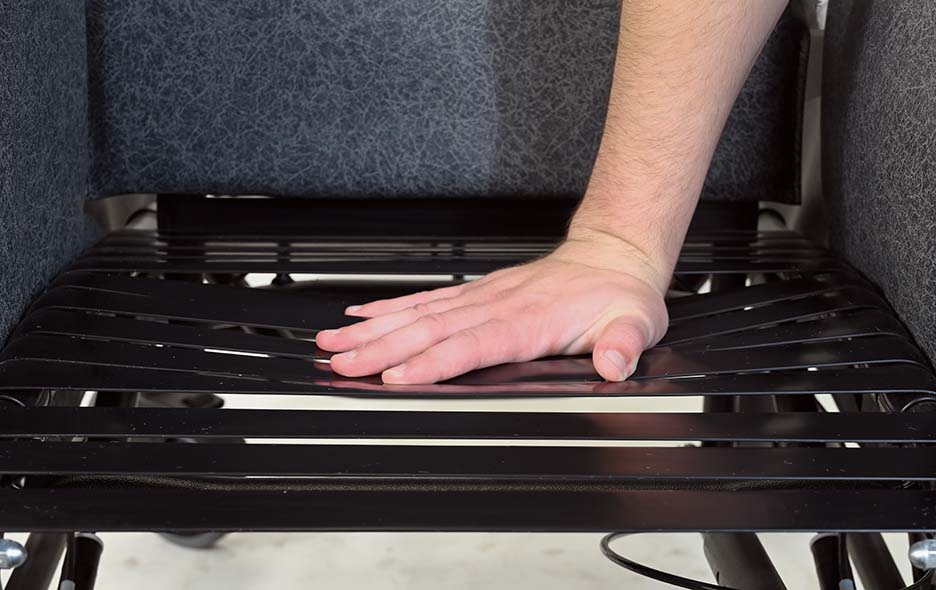
It all starts with our one-of-a-kind Comfort Tension Seating® system.
Unlike conventional sling-style wheelchairs, Comfort Tension Seating® is made up of individual straps that mold to the user’s body, creating a strong and supportive seating surface. This unique seating system relieves pressure better than a typical cushion by suspending the user’s weight evenly across multiple points, rather than a solid seating surface.
Benefits of Comfort Tension Seating® include:
- Improved pressure redistribution
- Reduced pressure on bony prominences
- Increased sitting tolerance
- Improved comfort throughout the day
- Better postural support
- Reduced risk of skin breakdown
Combined with advanced positioning features, such as seat tilt and recline, Broda wheelchairs with Comfort Tension Seating® perform just as well as high-end pressure wound cushions.4
Choosing the Right Wheelchair Cushions for Pressure Redistribution
In addition to positioning features, wheelchair cushions play a key role in preventing pressure ulcers and supporting long-term skin protection. While there are many wheelchair cushions on the market, for optimal comfort, seek out wheelchair cushions made specifically for treating and preventing pressure wounds.
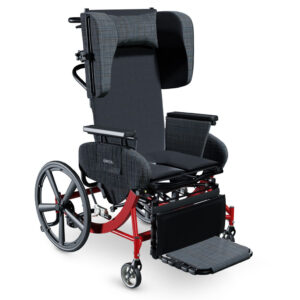
For many wheelchair users, a Broda positioning wheelchair with Comfort Tension Seating® and the standard Broda cushion package is the ideal wheelchair cushion setup for minimizing bed sores and other pressure injuries.
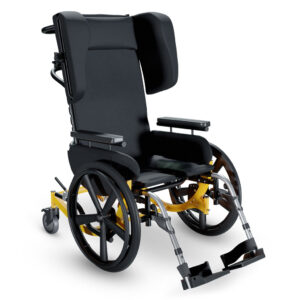
This setup may not work for everyone, though. For example, our rehab wheelchairs feature a solid seat pan instead of Comfort Tension Seating® and may need a cushion for user comfort.
In these cases, we recommend cushions from the Matrx® Seating Series by Motion Concepts:
- Libra Cushion: Recommended for users at the highest risk of pressure injuries who require advanced pressure redistribution.
- PSP Cushion: An easy-to-clean, low-maintenance cushion that offers reliable skin protection and everyday comfort.
Avoiding Pressure & Shear During ADLs
Wheelchair cushions are not your only defense against pressure ulcers. Individuals who depend on caregivers for activities of daily living (ADLs) may face additional risks from friction, pressure, and shear during transfers, dressing, bathing, and toileting.5
Caregivers can help reduce pressure injury risks by minimizing unnecessary pulling, sliding, and strain on vulnerable skin during these activities.
Broda wheelchairs are designed to help reduce skin strain during ADLs through features such as:
- Tilt and recline positioning
- Removable arm supports
- Removable leg supports
- Accessible transfer positioning
- Improved caregiver ergonomics
Our positioning wheelchairs, pedal wheelchairs, and shower commode chairs feature removable arm, leg, and shoulder supports to make transfers smooth.
The Best Wheelchair Cushions & Seating Solutions for Pressure Injury Prevention
Broda wheelchairs are designed to support pressure redistribution, positioning, and long-term sitting comfort for individuals at risk of pressure injuries and bed sores.
Whether you are looking for wheelchair cushions for bed sores, pressure-redistributing seating surfaces, or advanced positioning support, Broda offers seating solutions designed to help reduce the risk of pressure injuries while supporting wound care and long-term comfort.

To determine the right Broda wheelchair and cushion setup for your needs, reach out for a custom consultation. Chat with a dedicated sales rep today!
FAQs About Wheelchair Cushions & Pressure Injury Prevention
How often should wheelchair users reposition to help prevent pressure sores?
Regular repositioning is important for reducing prolonged pressure on vulnerable areas of the body. Tilt and recline wheelchairs can help redistribute pressure throughout the day and improve sitting tolerance for individuals who spend extended periods seated.
What are the signs that a wheelchair cushion may not be providing enough pressure relief?
Signs may include skin redness, discomfort after sitting, poor posture, sliding forward in the chair, or increased pain in pressure-sensitive areas. If these issues occur regularly, it may be time to evaluate the wheelchair seating surface or cushion type.
Are wheelchair cushions alone enough to prevent pressure injuries?
Wheelchair cushions are an important part of pressure injury prevention, but they work best when combined with proper positioning, regular repositioning, skin monitoring, and supportive daily care routines. A comprehensive seating and mobility approach is often recommended for individuals at higher risk of pressure injuries.
References
- Agency for Healthcare Research and Quality. (2014). Are we ready for this change? AHRQ. Retrieved March 10, 2022, from https://www.ahrq.gov/patient-safety/settings/hospital/resource/pressureulcer/tool/pu1.html
- AlAboud, AM, Manna, B. (2021, July 1) Wound Pressure Injury Management. StatPearls [Internet]. StatPearls Publishing; 2021 Jan-. Retrieved October 20, 2021, from https://www.ncbi.nlm.nih.gov/books/NBK532897/
- Yeroushalmi, B. (2019, March 13). Exploring the social and psychological effects of pressure ulcers. California Nursing Home Abuse Lawyer Blog. Retrieved March 10, 2022, from https://www.californianursinghomeabuselawyer-blog.com/exploring-the-social-and-psychological-effects-of-pressure-ulcers/
- Damiao, J., Blair, A., Martinez, N., Reyes, R., & Mahon, B. (2023a). Pressure distribution comparison among standard seating surfaces and strap seating system. Global Journal of Health Science, 15(7), 35. https://doi.org/10.5539/gjhs.v15n7p35
- Akbuğa,Gökçen & Mucuk, Salime. (2015). The Evaluation of Daily Living Activities, Pressure Sores and Risk Factors. Rehabilitation nursing: the official journal of the Association of Rehabilitation Nurses. 40. 10.1002/rnj.145.