If you care for someone with limited mobility, you probably already know the importance of checking for bed sores. What may surprise you is just how serious they can be. A nurse notices a red spot on her patient’s heel while helping him dress. The next morning, it hasn’t faded. What looks like a small patch of irritated skin has become something much more serious. Every year, 1 to 3 million people in the US develop bed sores. This contributes to around 60,000 yearly deaths and $26.8 billion in annual healthcare costs.
The proper medical term for bed sores is “pressure injuries.” This distinction alone unravels many common myths about bed sores. Below, we pair some of the most widespread myths with facts that every caregiver and patient should know.
What Is a Pressure Injury?
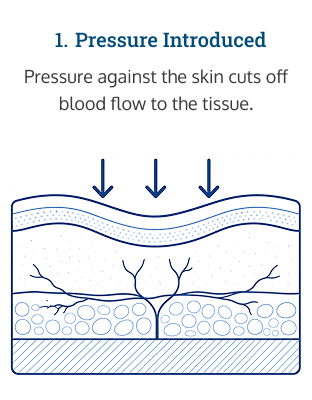
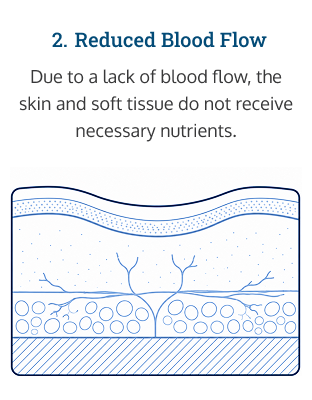
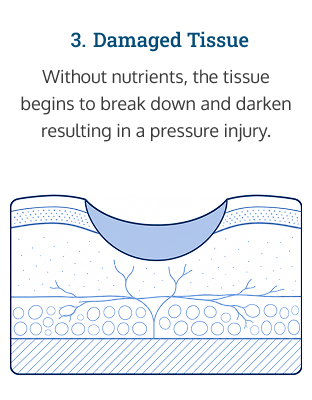
A pressure injury is localized damage to an individual’s skin and the tissue beneath it. Sustained pressure cuts off blood flow, damaging the skin and tissue beneath it.
Myth #1: You Can’t Get Bed Sores From Sitting
Fact: Sitting leads to a pressure injury even more easily than lying down.
Sitting down concentrates an individual’s body weight onto a smaller area than when lying down. Most of a person’s weight bears down on the tailbone and sitting bones, where there is little natural padding to protect the underlying tissue. Pressure cuts off blood flow and damages tissue within a matter of hours.
It’s critically important to check regularly for pressure injuries and assist in repositioning individuals every 15 to 30 minutes. Sitting can also create shear, which happens when the skin stays in place against the chair while the body slides downward. As a person slumps or slides in a wheelchair, that pulling force stretches and damages the tissue beneath the skin, increasing the risk of a pressure injury.
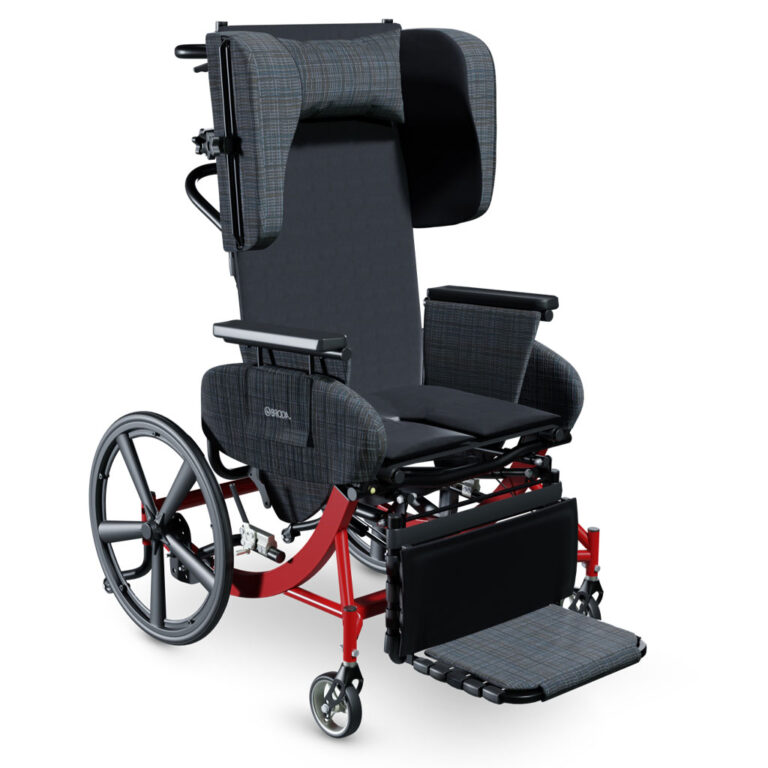
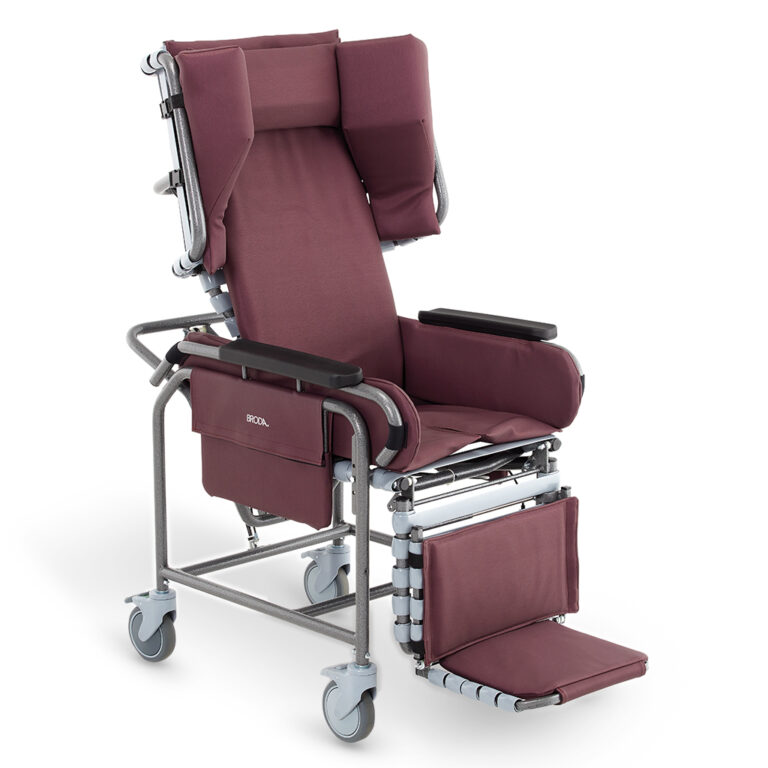
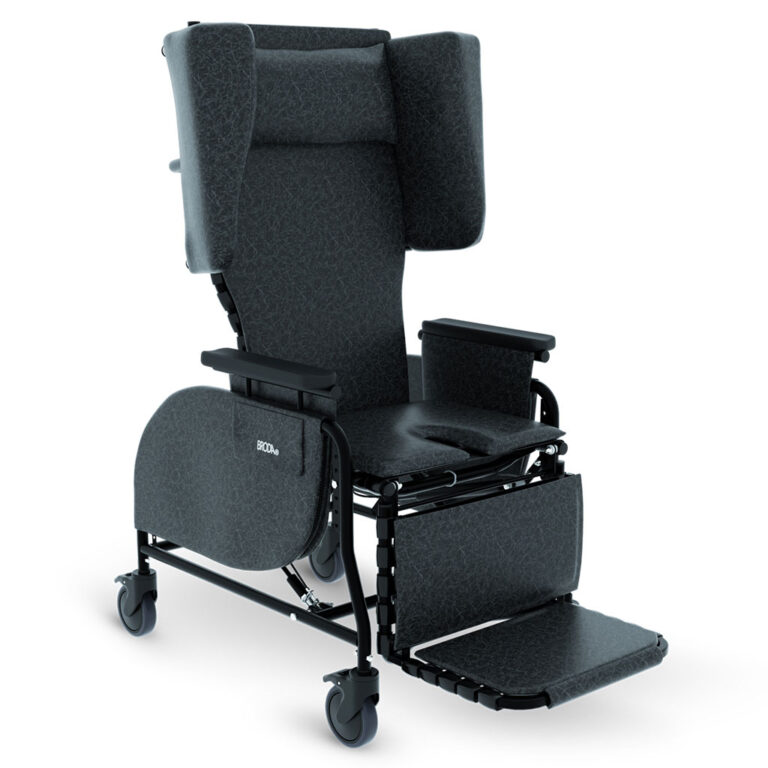
Wheelchair design plays an important role in preventing both pressure and shear. Broda’s Comfort Tension Seating® conforms to the body, keeping people properly positioned while distributing weight more evenly.

Myth #2: Bed Sores Only Happen to People Who Are Confined to Bed
Fact: Any sustained pressure can cause this type of injury.
The term “bed sores” suggests an individual only gets these sores when lying down. This is misleading. Healthcare professionals prefer the term “pressure injuries” because sustained pressure, not the bed itself, causes the damage.
Pressure injuries often develop where bones lie close to the skin with very little natural padding, especially when a person cannot reposition regularly.
Wheelchairs that provide repositioning, tilt, and well-designed seating reduce the risk of pressure injuries for those with limited mobility.
Myth #3: Pressure Injuries Take Weeks to Develop
Fact: Tissue damage can begin in as little as two hours.
Sustained pressure can damage tissue in just an hour or two. When sustained pressure cuts off blood flow, skin cells die. Limited mobility, poor circulation, fragile skin, and inadequate nutrition all affect the rate and severity of an injury. Moisture, friction, and shear accelerate a pressure injury’s severity.
Myth #4: Bed Sores Are Just Skin Problems
Fact: Pressure injuries can reach the muscle and bone beneath seemingly healthy skin.
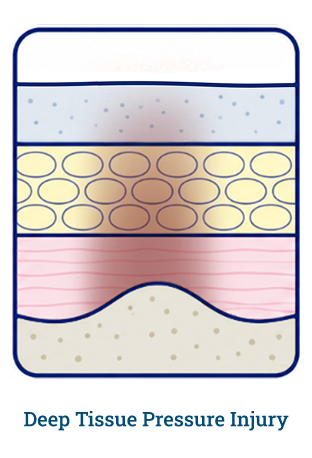
Calling bed sores a “skin problem” misclassifies pressure injuries. Some pressure injuries begin at the skin’s surface, but many start deep, with muscle and tissue compressed against bone.
With these deep tissue injuries, damage may begin without any indication on the surface of the skin, and severe injuries may not look severe on the surface. Pay attention to even subtle changes in skin color or temperature. They may be the earliest signs of a developing pressure injury.
Myth #5: Only Older Adults Get Pressure Sores
Fact: Pressure injuries can affect anyone at any age. If an individual has limited mobility, they need a caretaker to check for pressure injuries consistently.
Age increases the risk, but limited mobility is the greater concern. Anyone who cannot reposition themselves regularly is vulnerable to pressure injuries.
Myth #6: Repositioning Is the Only Thing You Need to Prevent Pressure Injuries
Fact: Repositioning plays a critical role in preventing pressure injuries, but it works best as one part of a comprehensive prevention plan.
Manage moisture to protect the skin from perspiration, incontinence, and drainage, all of which accelerate tissue breakdown. Encourage regular movement to improve circulation and reduce prolonged pressure on vulnerable areas. Support good nutrition so the body has the nutrients it needs to maintain healthy skin and repair damaged tissue.
Myth #7: Any Cushion Will Help Prevent Bed Sores
Fact: The wrong cushion can concentrate pressure and make things worse.
Cushions may seem like a helpful solution, but only if they effectively:
- Redistribute pressure: Spread an individual’s weight across a broader area to reduce pressure on a bony point.
- Provide immersion and envelopment: Let the body sink in as material conforms to the body. This lowers peak pressure.
- Deliver positioning support: Keep the pelvis and trunk aligned to help an individual avoid sliding or slumping, which creates shear.
Donut or ring cushions provide examples of ineffective designs, because they concentrate pressure at the ring’s surface.
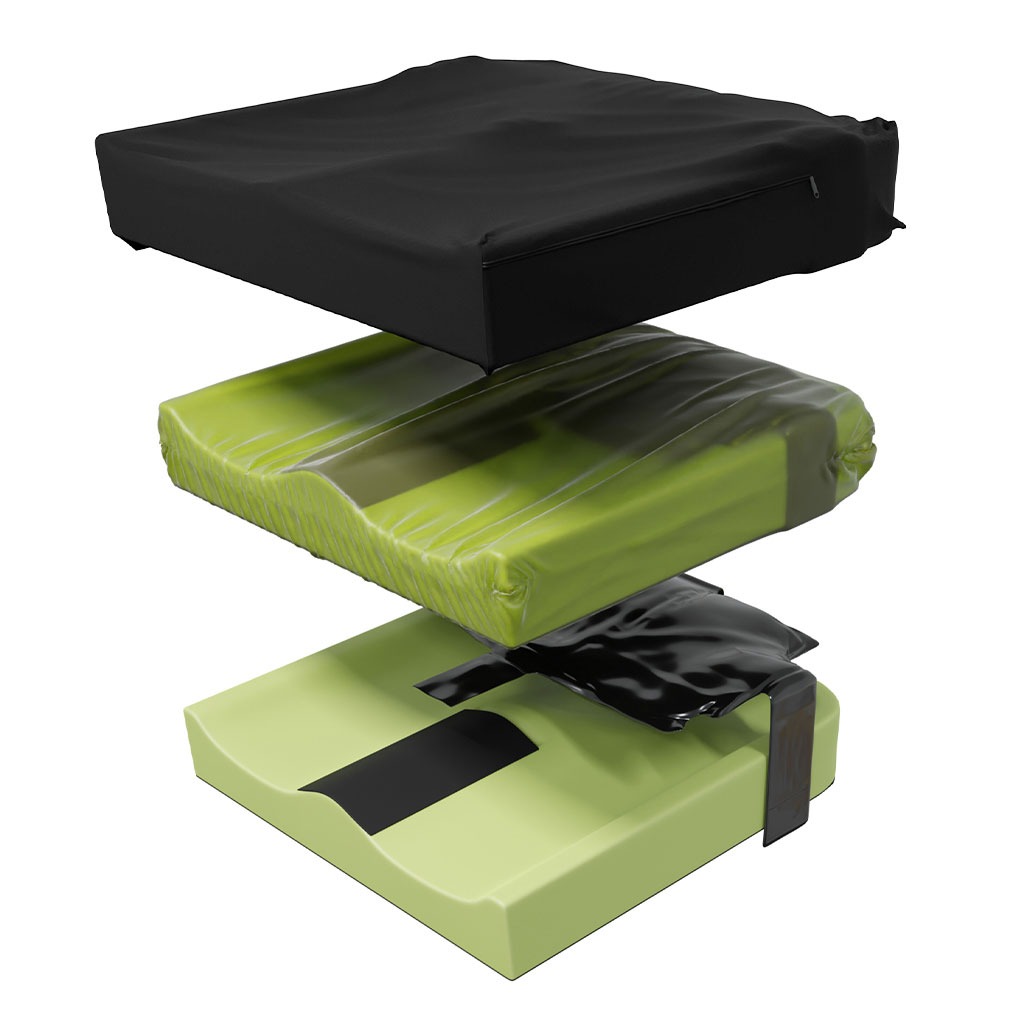
What to Look for in a Pressure-Relieving Cushion: The Libra Cushion Example
1. Waterfall Edge
Smooth edges where the body makes contact with the cushion promotes better circulation.
2. Added Stability
The extended rear cushion combined with a shelf improves stability and prevents unwanted pelvic tilt.
3. Mindful Contour
The careful contouring of the Libra cushion prioritizes comfortable positioning and prevents sliding.
Myth #8: Pressure Injuries Are Easy to Treat Once They Appear
Fact: Once a pressure injury forms, healing is slow, difficult, and expensive.
A pressure injury is far easier to prevent than to treat. Once tissue breaks down, it requires continuous pressure relief to heal, a significant challenge for those with limited mobility.
Until the wound heals, potential infection may begin or spread. An open wound can lead to serious complications, including cellulitis, bone infections such as osteomyelitis, and life-threatening sepsis.
Advanced wounds may require debridement to remove dead tissue, and the most severe may need surgery, skin grafts, or muscle flaps to close.
Recovery can take weeks and even months to fully heal.
Myth #9: All Pressure Injuries Look the Same
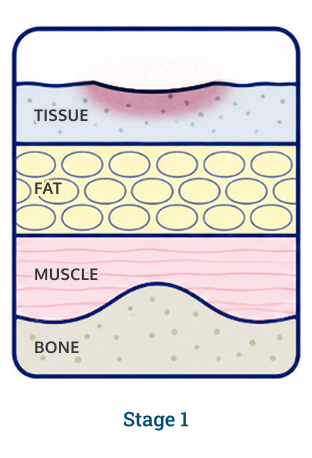
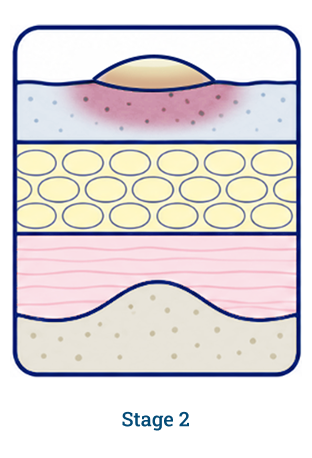
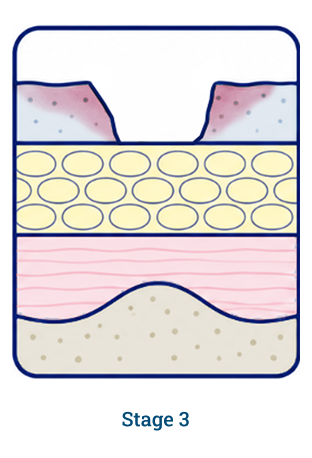
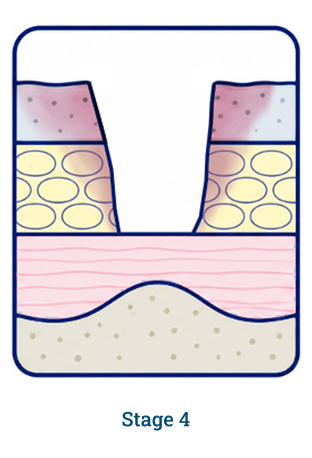
Fact: Pressure injuries range from intact red skin to deep wounds that expose muscle and bone. The medical community classifies them into stages based on the depth of the injury and damage caused.
- Stage 1: The skin remains intact but develops discoloration that doesn’t blanch (turn white) when pressed. It may appear red on lighter skin or purple or blue on darker skin. The area may also feel warmer or cooler than the surrounding skin and may be tender or firmer to the touch. At this stage, the injury is often reversible with prompt treatment.
- Stage 2: Partial skin loss. The injury appears as a shallow, pink or red open wound that can be an intact or ruptured blister. The wound breaks the skin barrier, leading to the risk of infection.
- Stage 3: Full-thickness skin loss. The wound takes on a crater-like appearance and extends to the underlying fatty tissue.
- Stage 4: Full-thickness tissue loss, exposing muscle, tendon, or bone. This stage carries a high risk of serious infections like osteomyelitis and sepsis.
- Deep Tissue Pressure Injury: A maroon or purple surface signaling damage below. What looks minor may be a serious injury developing beneath the surface.
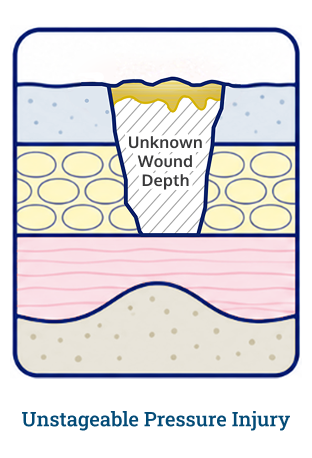
- Unstageable Pressure Injury: A wound obscured by dead tissue. The dead tissue conceals the true depth of the injury until removed.
When to Seek Medical Attention for a Pressure Injury
Recognizing the severity of a pressure injury early can mean the difference between quick healing and months of treatment.
An individual should have a pressure injury checked by a healthcare provider if there is a patch of discolored skin that remains red, purple, or darker than the surrounding area for more than 30 minutes after relieving the pressure, especially if there isn’t improvement over the next 1–2 days.
Seek medical attention immediately if a pressure injury develops drainage or pus, emits a foul odor, or is accompanied by fever, chills, warmth, or swelling around the wound. Even if the injury appears minor, have it evaluated if it doesn’t improve or continues to worsen.
Preventing pressure injuries requires attentive caregiving, regular repositioning, thoughtful seating, and early intervention. The right wheelchair can’t replace good care, but it can make that care safer and more effective.
Turn to Broda for Proper Repositioning and Support
Choosing the right wheelchair offers one of the most effective ways to prevent pressure injuries, along with proper care routines. Learn how Broda’s positioning wheelchairs and one-of-a-kind Comfort Tension Seating® provide individuals with the best support, including redistributed pressure and tilt and recline positions.

Prevent Pressure Injuries with the Right DME
Contact our team today for recommendations that best fit your needs.
Frequently Asked Questions (FAQ)
Where do pressure injuries most commonly occur?
Pressure injuries form where there’s less fat or muscle between a person’s bone and skin, including the tailbone, buttocks, and backs of thighs, the heels, hips, lower back, shoulder blades, and the back of the head.
Are pressure injuries preventable?
Yes, in most cases. With consistent repositioning, pressure redistribution, daily monitoring, and proper skincare and nutrition, caregivers can avoid most pressure injuries. Even with the most meticulous care, an individual can still get a deep pressure injury that shows no visible surface damage.
Is redness that goes away still something to worry about?
If a red area turns white when touched and then returns to color, there’s likely still blood flow, which is less concerning. If redness remains when pressed, it’s a sign of a Stage 1 pressure injury. Discoloration lingering for over 30 minutes after pressure is relieved signals the patient needs to be repositioned and closely monitored.