Pressure sores are a serious concern for individuals in wheelchairs. They aren’t a questionable future threat, but can become a painful reality if best practices are ignored.
For context, here are a few sobering facts about pressure injury cases in the US from the National Pressure Injury Advisory Panel (NPIAP):
- 2.5 million annual US pressure injury cases
- Second most common diagnosis in health system billing records
- 60,000 deaths per year
- $26.8 billion in annual acute care costs
- $75,000–$150,000 average cost per Stage 3, 4, or unstageable injury
Below, we discuss the best strategies to help prevent pressure sores in wheelchair users and the importance of choosing the best wheelchair cushion for pressure sores.
Why Wheelchair Users Face a Higher Risk of Pressure Sores
Wheelchair users face heightened anatomical and physiological risks of pressure injuries.
Sustained Pressure Concentration
Seated positioning compresses the body’s entire weight into approximately 8% of the body’s total surface area, placing most of this pressure on the individual’s sitting bones, tailbone, lower back, and backs of thighs.
This pressure exceeds blood vessel collapse thresholds, halts oxygen and nutrient delivery, and prevents the body from removing carbon dioxide and lactic acid. Sustained high pressure over hours leads to progressive, irreversible cellular injury.
Limited Repositioning Ability
Individuals often remain seated in wheelchairs for 12 continuous hours or more, without adequate repositioning. Those with conditions like multiple sclerosis, muscular dystrophy, or severe cerebral palsy can’t shift weight independently. Those requiring caregiver assistance depend entirely on their caregiver’s availability, knowledge, and consistency.
Destructive Shear Forces
Shear forces create parallel stretching and deformation of tissue layers. Shear occurs when skin remains stationary against the seating surface while underlying tissues and bone move in different directions.
Slouching creates a backward pelvic tilt, causing the tailbone to slide downward while skin remains stuck to the wheelchair back. This stretches tissue layers against each other. Poor transfer techniques, like dragging the individual’s buttocks across surfaces instead of a clean lift, can generate shear forces in deeper tissue layers.
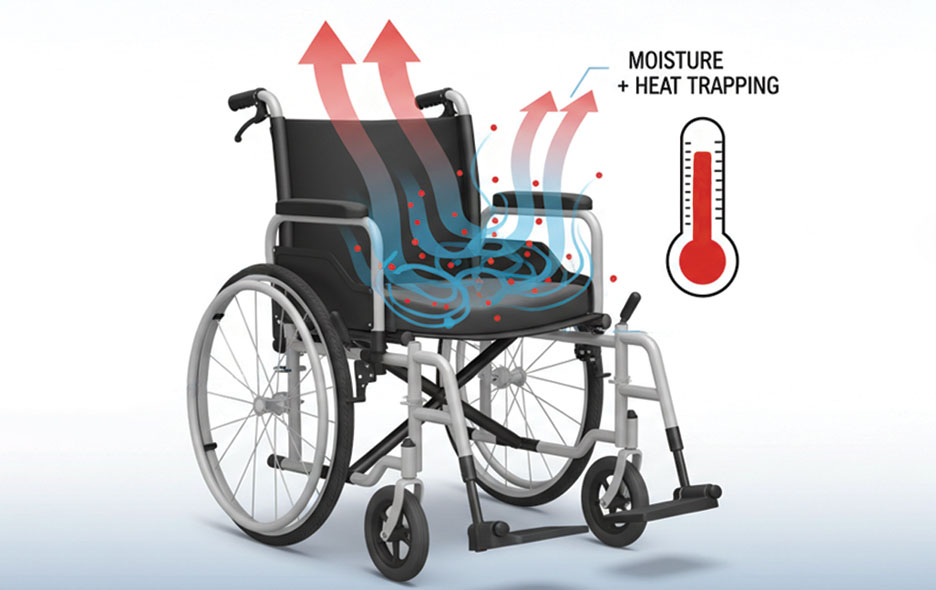
Heat and Moisture Buildup
The body’s contact with wheelchair surfaces severely limits heat dissipation and air circulation. Some wheelchair surfaces have poor heat-transfer properties that add to the skin’s temperature. Moisture from perspiration and incontinence compounds the potential for injury by softening the skin and making it more susceptible to shearing and friction.
Reduced Sensation
Spinal cord injuries, diabetic nerve damage, and neurological conditions often impair sensation in the buttocks, thighs, and lower back, leaving individuals without the nervous system’s warning of compromised blood flow.
Pressure Injury Stages
- Stage 1: Early tissue damage presents as non-blanching redness. Stage 1 pressure injuries form within 2–4 hours of sustained pressure.
- Deep tissue injury: There is little to no surface sign to warn that these injuries have begun. When they present, they appear as purple or maroon discoloration of otherwise normal surface skin.
- Stage 2: At this stage, there is partial-thickness skin loss with visible tissue damage.
- Stage 3: This is full-thickness skin loss extending into fat tissue beneath the skin.
- Stage 4: Stage 4 is the most severe form of pressure injury, exposing bone, tendon, or muscle through continued tissue destruction.
It only takes days for Stage 1 to progress to Stage 4 without proper intervention, stressing the importance of daily and weekly routines to catch the progression before it is irreversible.

Strategies to Prevent Pressure Sores in Wheelchair Users
Preventing pressure injuries requires a multi-pronged combination of positive daily routines.
Repositioning and Pressure Relief
Regular repositioning prevents pressure sores by restoring blood flow to an individual’s compressed tissue. Sustained pressure for 15–30 minutes can cut off circulation. Without intervention, tissue damage begins within hours.
For Independent Users: Individuals with adequate upper-body strength can use the push-up method to achieve complete pressure relief. By straightening their arms on the wheelchair’s armrests or push rims, they lift their buttocks completely clear of the seat, relieving all pressure.
If push-ups aren’t possible, another effective method is a forward lean to shift weight off their sitting bones. Additionally, one can also lean to one side for 30 seconds, then shift to the other side with lateral weight shifts.
For Caregiver-Assisted Users: If the patient has a tilt-in-space wheelchair, the caregiver can tilt the patient backward at a 35–45 degree angle for 30–90 seconds to redistribute weight from the buttocks to the back, then return the patient to an upright position. Perform this repositioning every 15–30 minutes throughout the day.
Without tilt features, caregivers can gently lift the individual slightly out of the seat or assist in shifting their weight side to side. The vital key is avoiding any dragging or sliding.
Nighttime Positioning: High-risk individuals need pressure-redistributing mattresses to prevent sustained compression. Additionally, a caregiver should manually turn them every 2–4 hours, rotating between their back (lying flat), right side, left side, and stomach (face-down, if tolerated).
Individuals should avoid staying semi-reclined for hours, and should use pillows or foam wedges between their knees to keep skin surfaces from touching.

Reducing Friction and Shear
Proper transfer techniques prevent skin damage that comes from dragging forces. During transfers, the caregiver should lift the individual’s body clear of surfaces rather than sliding or dragging them.
They should use transfer boards or slide sheets to reduce friction, and consider two-person lifts or mechanical devices whenever possible to protect the caregiver from injury due to a lack of assistance.
The patient should always maintain proper posture to minimize shear forces while seated. Slouching creates a backward pelvic tilt, causing the tailbone to slide against the wheelchair back while the skin remains stuck to the surface. Properly adjusted footrests help to prevent forward sliding, while anti-thrust seats or pelvic positioning belts provide additional needed support.
Individuals should always choose clothing and bedding that help reduce the potential for injuries. Tight-woven fabrics generate less friction than rough textures. Avoid thick seams, buttons, or other protrusions against the skin. Seamless or flatlock-seamed garments work best.
For bedding, use smooth cotton or moisture-wicking synthetic sheets, or consider specialized low-friction bed sheets.
Skin Care and Moisture Management
Healthy skin is a person’s first line of defense against pressure injuries. Caregivers should clean the patient’s skin daily to remove bacteria, dead skin cells, and irritants. Pat the skin dry to avoid thermal damage and prevent shear forces from rubbing.
Moisture from urine and feces contains enzymes and bacteria that break down skin, requiring immediate cleansing after any incontinence episodes. Apply barrier creams or ointments containing zinc oxide or dimethicone after cleansing and drying to create a protective layer.
Inspect the individual’s skin regularly for warning signs of tissue damage: non-blanching redness, temperature changes, texture changes, blisters, breaks in skin integrity, or purple/maroon discoloration.
Pay special attention to high-risk bony areas:
- Sitting bones
- Tailbone
- Lower back
- Hip bones
- Heels
- Ankles
- Elbows
- Shoulder blades
- Back of the head
Maintain proper skin hydration with moisturizers to preserve elasticity—dry, flaky skin cracks under stress. However, it’s also important not to over-moisturize areas prone to perspiration or incontinence, as excessive moisture weakens skin.
Nutrition and Hydration
Proper nutrition supports the individual’s skin health and tissue repair. Protein provides amino acids essential for building skin cells, blood vessels, and immune system components.

High-quality protein sources include:
- Lean meats
- Poultry
- Fish
- Eggs
- Dairy
- Legumes
Key micronutrients include vitamin C for collagen synthesis and zinc for protein metabolism. People should get enough daily calories in their diet to maintain a healthy weight. Underweight individuals have too little protective padding, while obesity leads to increased seated pressure.
Choosing the Best Wheelchair Cushion for Pressure Sores
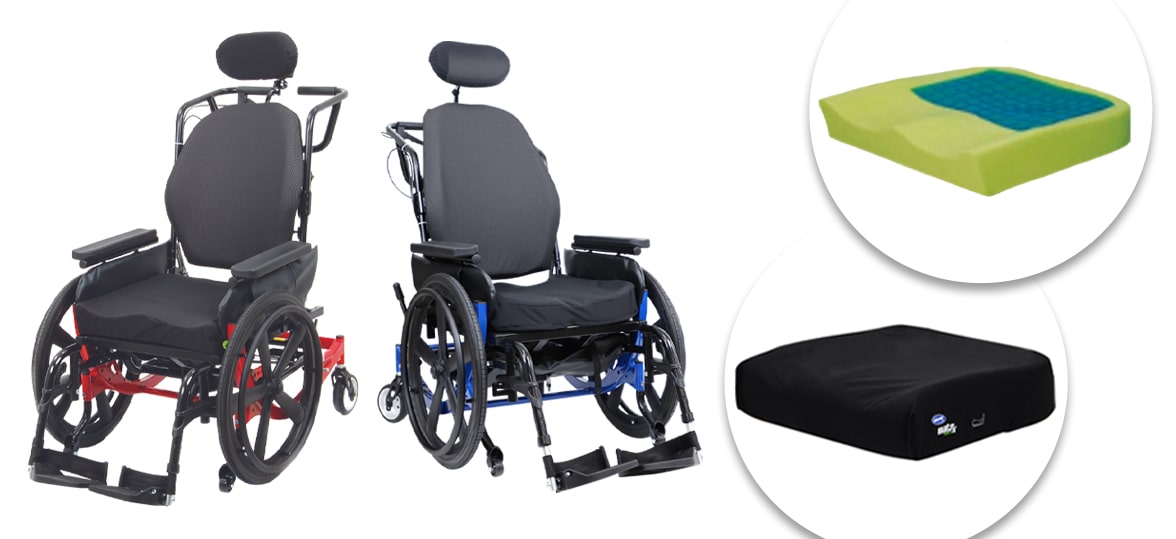
Standard foam cushions often bottom out under a person’s body weight, concentrating pressure on sitting bones and tailbone. Pressure-redistributing cushions use immersion (allowing bony points to sink in) and envelopment (conforming to body contours) to dramatically reduce peak pressures.
Types of Wheelchair Cushions
- Foam: Foam can be the most inexpensive cushion that also provides the least protection and can cause the body to retain heat. There are also contoured and multi-density foam options, including memory foam that conforms to the body.
- Gel: Fluid gel redistributes weight away from pressure points. Gel can be effective for users who can’t reposition frequently.
- Air: Interconnected air cells equalize pressure across the cushion’s surface. Air cushions can adjust for different users, and the highest-risk individuals. However, they require daily maintenance to sustain proper inflation.
- Alternating Pressure: Powered pumps cycle air inflation to automate pressure relief.
- Hybrid: Hybrid cushions combine materials (foam-gel, foam-air) to balance pressure relief with stability and reasonable weight.
Professional fitting ensures proper sizing, inflation, and user education. Medicare typically covers medically necessary cushions with a physician prescription and risk documentation.
Pressure Sore Prevention Checklist
This comprehensive daily and weekly routine helps greatly reduce the potential for pressure injuries.
Daily Tasks
- Inspect skin once every morning and evening for non-blanching redness, temperature or texture changes, swelling, blisters or breaks, and discoloration.
- Document any changes with photographs.
- Check cushion placement and condition. For air cushions, check pressure and listen for leaks. For gel, check for even distribution. For foam cushions, check covers for wrinkles, folds, or bunching.
- Manage moisture and clothing.
Weekly Tasks
Inspect cushions to ensure air cushions inflate fully, rechecking after 8–12 hours, gel cushions to see they don’t have empty spots with too much gel at edges, and foam cushions to ensure they have a healthy resistance and rebound.
- Machine wash cushions.
- Inspect cushions after washing for tears, broken seams, zipper damage, or peeling on waterproof backing.
- Check for any noticeable posture changes.
- Verify the wheelchair’s fit for proper seat width, seat depth, footrest height, and armrest height.
- Document any major changes with the individual’s weight, posture issues, or difficulty with daily tasks.
Explore Broda’s Cushioned Wheelchairs
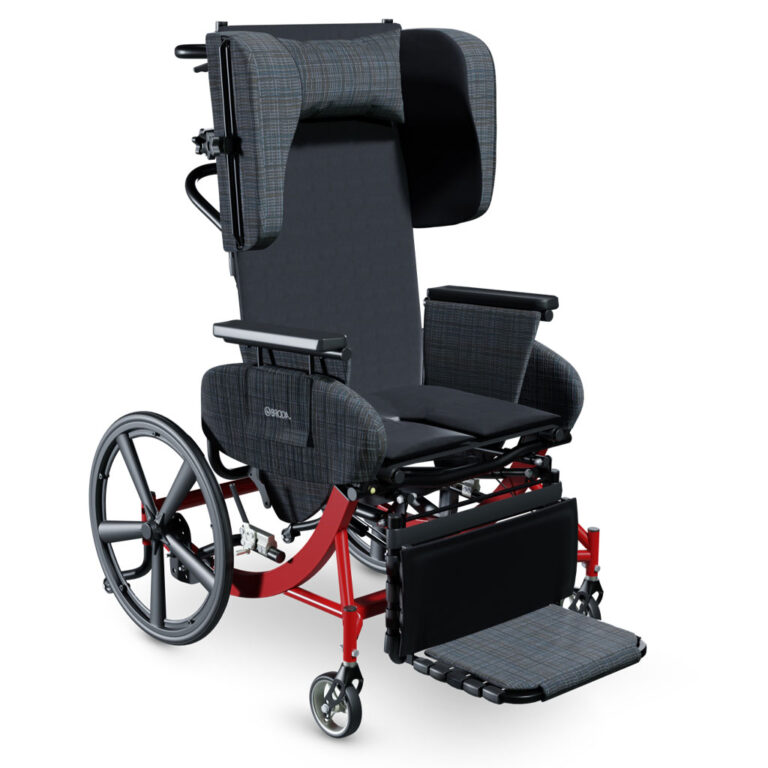
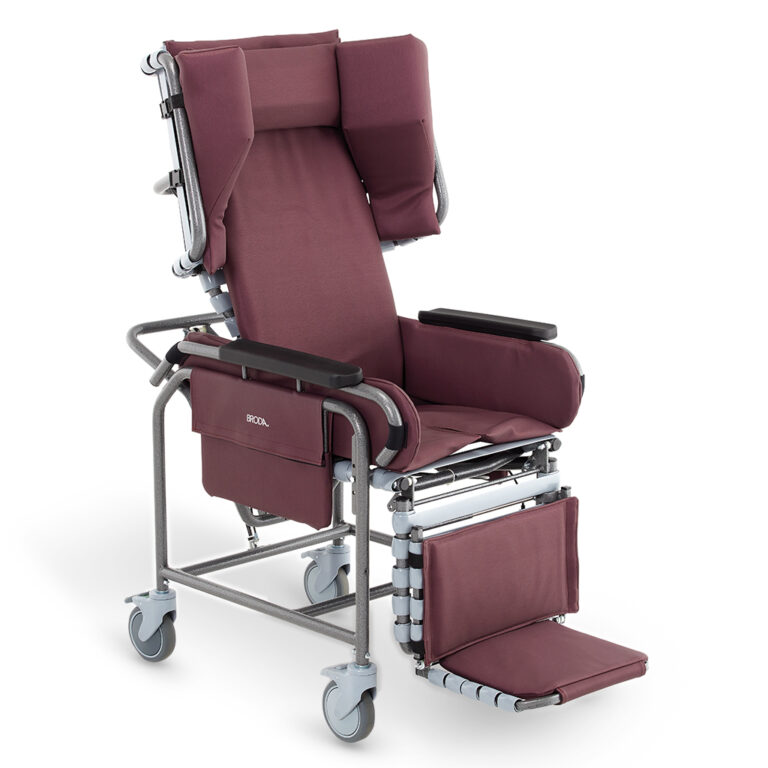
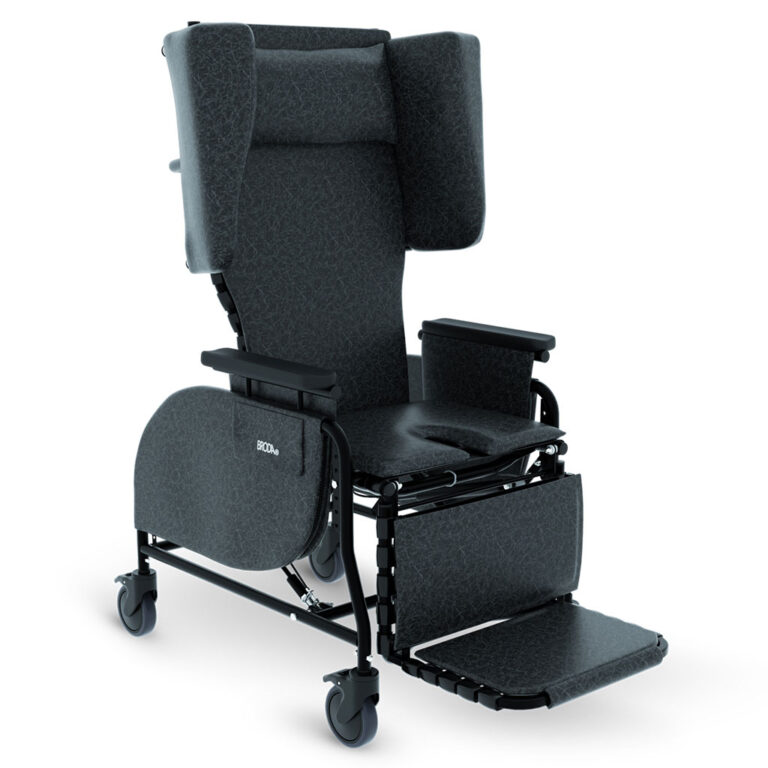
Broda’s unique comfort tension seating provides an ideal solution for protecting individuals from pressure sores, using polyvinyl straps that mold to a person’s body shape while distributing weight across multiple support points. This prevents bottoming out and pressure concentration, which can lead to dangerous pressure injuries.
Broda creates unique wheelchair solutions with every individual in mind. Explore our cushioned wheelchairs and talk to one of our dedicated sales representatives to determine the right wheelchair and cushion for your needs.

Unique Wheelchair Solutions for Every Individual
Shop our cushioned wheelchairs and chat with a dedicated sales rep today!