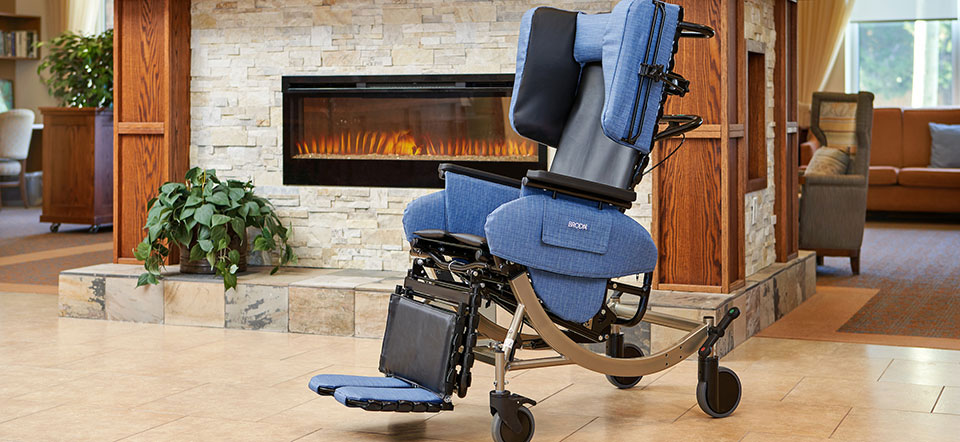
Start the conversation with a medical professional about whether your standard wheelchair still meets your changing needs.
As you walk out the doors of the hospital, your wife looks up at you from the new wheelchair. You kiss her forehead as she balances a handful of daisies on her lap. The car door unlocks, and she smiles hesitantly as you struggle to transfer her into the front seat. You wrestle the awkward contraption into the car and close the trunk three times until it latches. You squeeze her hand as you pull out of the parking lot. Though she’s only been away for a short time, it will be nice to get her home safely.
The first wheelchair gets you through the short-term moment. The next wheelchair supports the life that comes after it.
Months later, as your wife struggles to keep her body upright in the chair, you schedule a time to meet with the occupational therapist to ask about a wheelchair evaluation.
Why the First Wheelchair Wasn’t the Wrong Choice
That first wheelchair that barely fit into the car solved the most pressing need at the time. It released your wife from clinging desperately to walls in hallways or stair railings. It allowed her to get to appointments, move through the house, and roam safely from one room to another. It gave you the assistance you needed during a season of overwhelming transition.
That doesn’t make it the right wheelchair forever.
As a neurological condition changes the way your wife moves and participates in daily life, her wheelchair needs must adapt. The standard wheelchair may no longer provide the comfort and support her body now requires.
If you’re beginning to wonder whether the current wheelchair still offers the right fit, it might be time to reassess the situation. Just as medications, therapy plans, and care routines evolve over time, wheelchair seating should evolve with them.

When the Wheelchair Starts Asking More of the Caregiver
A wheelchair shouldn’t require constant workarounds.
If you find yourself folding towels behind her back, adding another pillow to help her abnormal posture, or stopping every few minutes to help her reposition, the wheelchair may no longer be providing the support it once did. Maybe you’ve noticed red areas on her skin that take longer to fade, or she asks to return to bed much earlier than she used to because sitting has become tiring. Perhaps transfers have become more difficult. What once felt manageable now leaves your back aching by the end of the day.
A standard wheelchair helps your sweetheart get from place to place. As time passes, however, mobility is only part of the equation. She needs to sit up, stay comfortable, and participate in it all.
You may notice it during everyday moments. A trip to the zoo ends early because your wife tires after an hour. She may still walk around the house but asks for a wheelchair to make it through the airport or an afternoon at your grandchild’s graduation.
When Everyday Life Gets Easier
Caregiving often means planning around limitations. Before saying yes to a family gathering or a trip to the grocery store, you’re already thinking through transfers, fatigue, comfort, and whether your wife will be ready to head home after only a short time. Sometimes the answer isn’t “We can’t go.” It’s, “I’m not sure it will be worth the effort.”
The right wheelchair doesn’t change her diagnosis, but it can change the experience of living with it. For both of you. She spends less energy fighting the chair and more energy enjoying a plate of pasta with grandkids. You spend less time adjusting pillows or helping her sit upright and more time playing Scrabble together. Sometimes the biggest difference isn’t measured in degrees of tilt—it’s measured in the moments you get back.

What Happens During a Wheelchair Evaluation?
If you’ve never been through a seating evaluation, it may sound intimidating. It’s less about choosing a wheelchair and more about understanding how your wife lives, moves, and spends her day.
The wheelchair that worked months—or even years—ago may simply no longer match her needs. A wheelchair assessment isn’t a sign that you’ve failed as a caregiver. It’s an opportunity to make sure the wheelchair continues to support the life she’s living. A seating evaluation helps answer one question: What will make everyday life safer, more comfortable, and easier moving forward?
While the process varies by country and facility, a wheelchair seating assessment usually involves a referral, an evaluation of your wife, her environment, and her goals. This is often performed by an occupational therapist (OT), a physical therapist (PT), a seating specialist, or an assistive technology professional (ATP).
It starts with a conversation.
The clinician wants to understand your wife’s diagnosis, daily routine, goals, and the activities that matter most to her. They’ll ask how long the wheelchair is used each day and where it’s used. They’ll ask what challenges you’ve noticed at home.
Then they observe.
The seating specialist will look at posture, balance, pressure risk, and how your wife moves. They’ll also ask about skin concerns and fatigue. As you describe your routine, the specialist will want to make sure your wife maintains accessibility outside the home and that she has safe transportation. More than anything, they want to understand how her wheelchair assists—or limits—daily life.
Together, you explore solutions.
The clinician matches measurements, seating options, and positioning features to your wife’s needs. Rather than asking the person to adapt to the wheelchair, the goal is to adapt the wheelchair to the person.
As life changes, seating can too.
Finding a well-fitting wheelchair is an important milestone, but it’s only part of the journey. As your wife’s needs change, her seating can change too. Periodic follow-up appointments give her clinical team an opportunity to make adjustments that help her remain comfortable, well supported, and engaged in the activities that matter most.
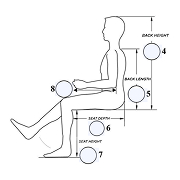
Need a Seating Evaluation?
Broda offers a variety of fitting tools to assist caregivers in finding the best wheelchair for a client’s needs.
Start the Conversation
You don’t need to understand every positioning system, seating option, or clinical recommendation. Your role is to recognize when the current wheelchair no longer supports your wife’s favorite role as Nana-to-five-grandkids.
Your observations help clinicians and seating specialists understand her better.
At Broda, we believe every person deserves a well-fitting wheelchair. It’s life changing. A wheelchair evaluation makes sure the solution continues to benefit the person using it today, tomorrow, and as their needs change.

Have Questions?
Chat with a dedicated sales rep today!