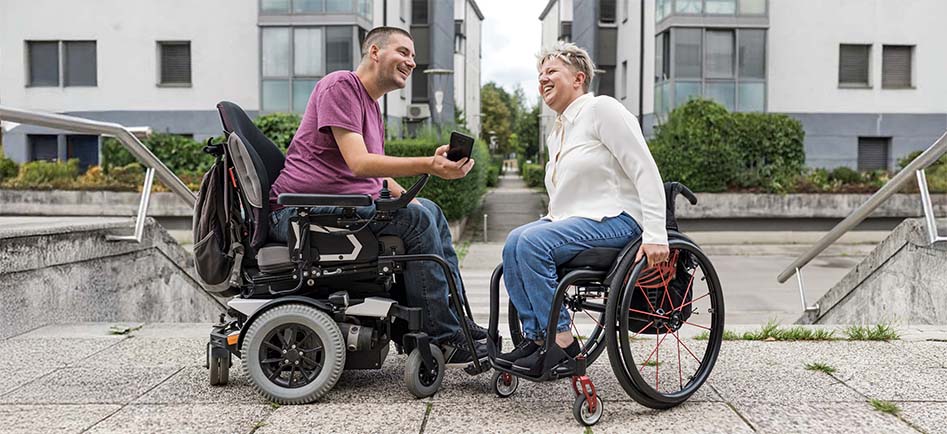
Individuals living with postural orthostatic tachycardia syndrome (POTS) experience difficulty transitioning from a lying down position to standing. This is due to a lack of proper blood flow to the heart.
Wheelchairs help POTS patients maintain their sense of independence and mobility while providing the most important solutions for their symptoms.
What Is POTS?
People with POTS experience a rapid increase in heart rate—often more than 30 beats per minute—within 10 minutes of standing. POTS primarily affects women between the ages of 15 and 50. The condition is often triggered by pregnancy, surgery, trauma, or viral illness.
Symptoms include:
- Fainting
- Dizziness
- Exhaustion
- Blurred or tunnel vision
- Weak legs
- Chest pain
- Digestive issues
- Shortness of breath
In all cases, these symptoms are relieved by lying down.
Recommended Wheelchairs for POTS Patients
Do You Need a Wheelchair for POTS?
Symptoms from POTS can range from mild to severe. A wheelchair may not be necessary for those with less pronounced conditions. For patients who experience frequent fainting, fatigue, and dizziness, it’s important to have the right support and ability to adjust to proper reclining positions at all times.
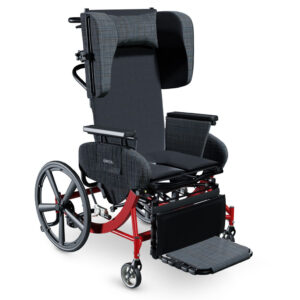
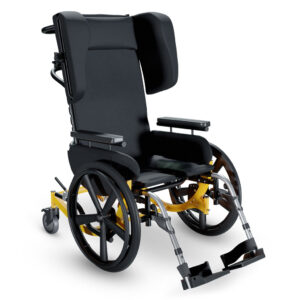
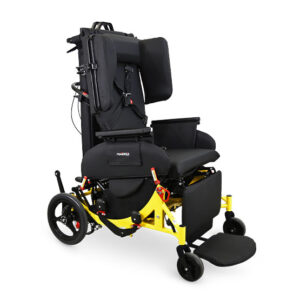
Broda wheelchairs offer tilt-in-space and recline functions that allow users to adjust their position without standing, pressure-distributing seating for comfort during extended use, and lightweight maneuverability to conserve energy while reducing fatigue.
What Is the Best Wheelchair for POTS?
The ideal wheelchair for POTS patients provides a balance of relief and function, helping individuals manage symptoms like blood flow and fatigue while also supporting daily living.
Tilt-in-Space Positioning to Relieve Symptoms
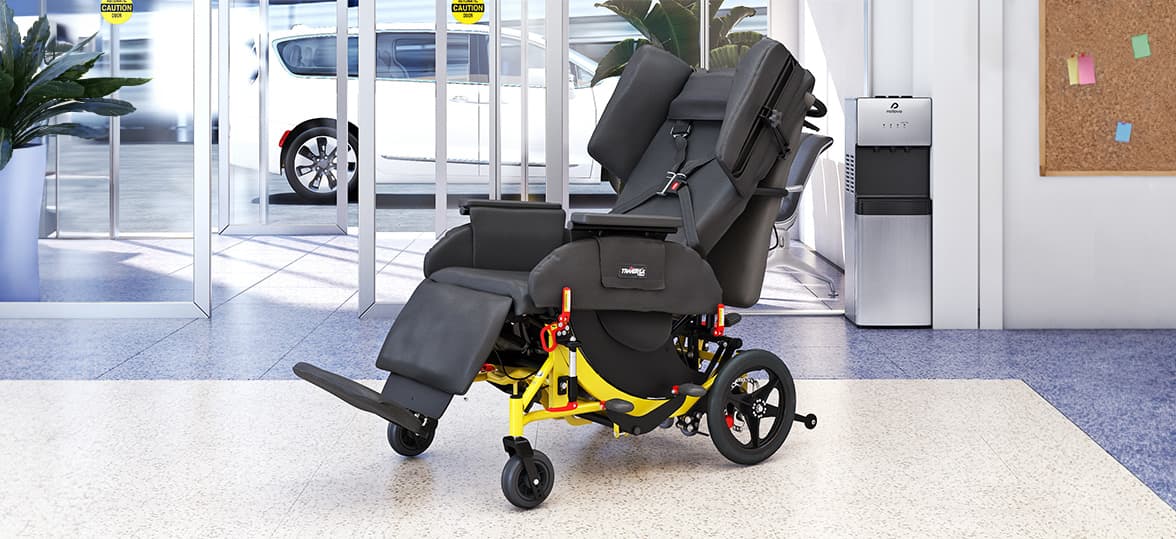
Lying down brings relief to individuals with POTS. Broda positioning wheelchairs provide up to 40° of tilt and 90° of recline, improving blood flow and reducing dizziness and other symptoms. This lets individuals adjust the angle to manage flare-ups while adjusting for comfort as needed.
Lightweight Design to Combat Fatigue
Broda wheelchairs are engineered for easy maneuverability, so individuals can use self-propel models to move independently and also receive caregiver assistance when needed. The lightweight design facilitates smooth transfers to avoid triggering rapid heart rate and other symptoms.
Pressure Relief that Supports Extended Seating
Many POTS patients have to spend a significant time in seated or reclined positions. Broda’s Comfort Tension Seating® distributes body weight evenly across the seating surface, preventing pressure-related discomfort by conforming to the user’s shape.
Safe Transport for Medical Care Access
Appointments with cardiologists, neurologists, and other specialists can be an ongoing necessity for POTS patients. Broda’s transport wheelchairs meet WC19 safety standards and are fully crash-tested for vehicle travel.
Models like the Traversa offer full recline capability (up to 90°) and tilt adjustment (up to 20°). If symptoms escalate during transport, the patient can shift to a more horizontal position without stopping or transferring.
Support, Mobility, and Independence
The right wheelchair for POTS provides the tilt, recline, comfort, and safety features individuals need for managing symptoms as soon as they occur, while supporting their need for mobility and safe transport.

Discover Which Broda Wheelchair is Right for You
Get in touch with a dedicated sales rep today!