Best Wheelchair for Spinal Cord Injuries
Broda wheelchairs provide an excellent resource for comfort, positioning support, and mobility for individuals with spinal cord injuries and related neurological conditions. People with spinal cord disorders may have impaired sensation below the level of injury, which affects their ability to shift their weight independently. This increases the risk of developing pressure injuries (pressure ulcers), discomfort, and postural complications over time.
Broda positioning wheelchairs with tilt and recline functionality helps caregivers shift the wheelchair user’s weight periodically, reducing these risks while promoting comfort throughout the day.
Our unique Comfort Tension Seating® system provides a soft, supportive surface that conforms to the user’s body. The contoured seating technology improves weight distribution, decreases pressure on bony prominences, and delivers a level of comfort that stands out from other wheelchair seating systems.
Our Recommended Types of Wheelchairs for Spinal Cord Injuries
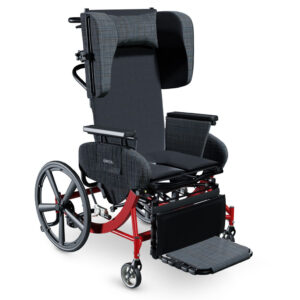
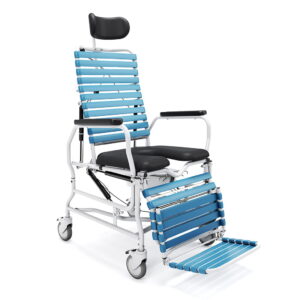
Broda wheelchairs provide exceptional support for individuals with spinal cord injuries and related conditions, including:
- Anencephaly
- Anterior Cord Syndrome
- Brown Sequard Syndrome
- Central Cord Syndrome
- Paraplegia
- Spina Bifida
- Spina Bifida Myelomeningocele
- Spinal Muscular Atrophy (SMA)
- Tetraplegia
- Triplegia
Postural Support for Preventive Care
The adjustable tilt and recline technology in Broda wheelchairs helps users achieve postural alignment. Tilt provides effective pressure relief and improved digestion. This includes easier swallowing and bowel movements.
Combined with other preventative measures, tilt and recline functionality can help paraplegics and individuals with neurological conditions and spinal cord injury avoid complications associated with prolonged sitting. It reduces unnecessary hospitalizations while making activities of daily living more comfortable.
An Excellent Backup Wheelchair for Power Chair Breakdowns
The average power chair user needs repairs once every six months. For that reason, it’s critical to have a backup manual wheelchair with the positioning features needed for daily comfort and support.
Broda wheelchairs provide an excellent solution for this need. In the event of a power wheelchair breakdown, a manual wheelchair available maintains mobility and positioning support while repairs are completed. Additionally, a manual wheelchair from Broda may be covered by your insurance plan, so be sure to check your coverage.
Reliable & High Quality
We make each Broda wheelchair with strong, high-quality materials that can handle everyday wear and tear for users with spinal cord injuries and other complex mobility conditions. We build the frames with 16-gauge, powder-coated tubular steel, and construct them to outlast any other seating solution.
Broda also offers an industry-leading 10-year frame warranty and a 2-year warranty on all glider parts. You can be confident that your Broda wheelchair will provide dependable support for years to come with minimal repairs.
Improve Quality of Life With the Best Wheelchairs for Spinal Cord Injuries
Designed for proper support, positioning, and pressure relief, Broda wheelchairs promote mobility, independence, and dignity. Whether supporting someone living with a spinal cord injury, paraplegia, spina bifida, or spinal muscular atrophy, the right seating system can make a meaningful difference in daily life.
Explore Broda’s Synthesis Positioning Wheelchair and Revive Shower Commode to experience comfort and increased quality of life.
FAQs About Wheelchairs for Spinal Cord Injuries
What features should a wheelchair have for someone with a spinal cord injury?
Individuals with spinal cord injuries often benefit from wheelchairs that provide pressure redistribution, postural support, and positioning options. Features such as tilt, recline, adjustable supports, and specialized seating can help improve comfort while reducing the risk of complications associated with prolonged sitting.
Why is pressure relief important for people with spinal cord injuries?
Many people with spinal cord injuries have reduced sensation and may not feel discomfort caused by prolonged pressure. Without regular repositioning, pressure can build on vulnerable areas of the body and increase the risk of pressure injuries.
Who may benefit from a positioning wheelchair?
Positioning wheelchairs may benefit individuals with spinal cord injuries, paraplegia, quadriplegia, spina bifida, spinal muscular atrophy, and other neurological or mobility-related conditions that affect posture, pressure management, or independent repositioning.
Are tilt and recline the same thing?
No. Tilt changes the angle of the entire seating system while maintaining hip and knee angles, helping redistribute pressure and improve positioning. Recline opens the seat-to-back angle, which can provide additional comfort, stretching, and positioning support. Many individuals benefit from having both features available.

Ready to learn more?
Chat with a dedicated Broda team member today!
References
- Worobey, L., Oyster, M., Nemunaitis, G., Cooper, R., & Boninger, M. L. (2012). Increases in wheelchair breakdowns, repairs, and adverse consequences for people with traumatic spinal cord injury. American journal of physical medicine & rehabilitation, 91(6), 463–469. https://doi.org/10.1097/PHM.0b013e31825ab5ec