A patient who hadn’t left his bed for months was finally able to sit comfortably, move safely, and rejoin life outside of his room. The change shifted how his care team viewed rehab equipment. For his family, it meant everything.
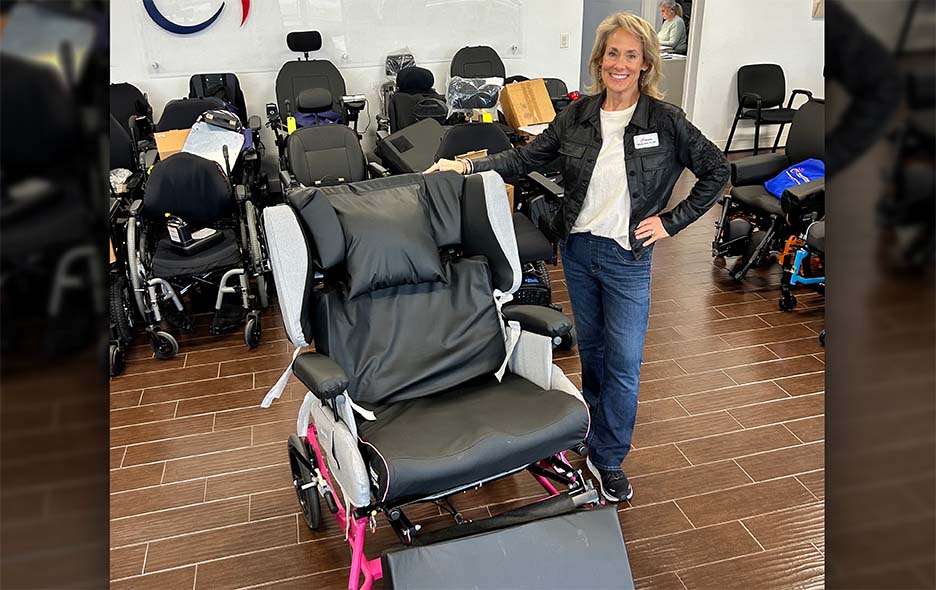
Every day, Wendy Gibbs, PT, ATP, enjoys playing a role in similar success stories at work.
Wendy brings nearly 30 years of experience as a physical therapist, with a focus on skilled nursing and assisted living settings. She works closely with patients who are often considered bed bound because they are the most difficult to seat and mobilize.
When Getting Out of Bed Isn’t an Option
In care settings, staff want to help their patients spend as much time out of bed as possible and engage in their environment. But many patients cannot tolerate standard tilt-in-space wheelchairs; even a short walk in the sun, sitting upright, can be uncomfortable or unsafe. These patients remain in bed for days. Over time, that limits not only their mobility, but also their mood, cognition, and connection to others.
Wendy sees this pattern repeatedly. When her boss introduced her to a wheelchair solution that could provide full support, improve positioning, and help patients tolerate time out of bed, she knew it would be a game changer for her patients.
A Turning Point
She shared one recent experience.
Wendy had been working with a patient in a skilled nursing facility and had already begun the process of securing a Broda Synthesis chair. Then, the patient needed to transition to a memory care facility.
When Wendy arrived at the new memory care center to deliver the chair, the staff seemed hesitant. They weren’t familiar with the Broda Synthesis chair at all. They had not participated in the initial evaluation or assessment. Despite the care center’s reluctance, Wendy was confident the Broda would be a perfect fit for her patient.
The memory care staff stepped away to transfer the patient into the new chair using a Hoyer lift.
The staff returned to Wendy smiling. They asked questions about the Broda Synthesis. They started recording as Wendy demonstrated how the chair worked. They brought the administrator to see it firsthand.
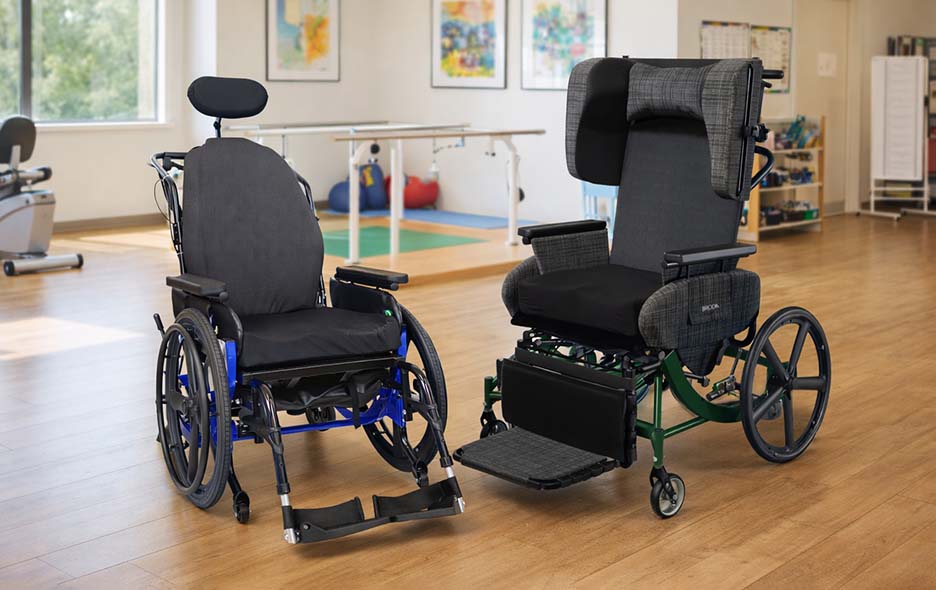
Immediately, the care team recognized what they were seeing. In a facility where other residents sat in poorly fitting Geri chairs, the patient was positioned comfortably, supported fully, and able to remain out of bed for the first time in a very long time.
Changing the Possibilities
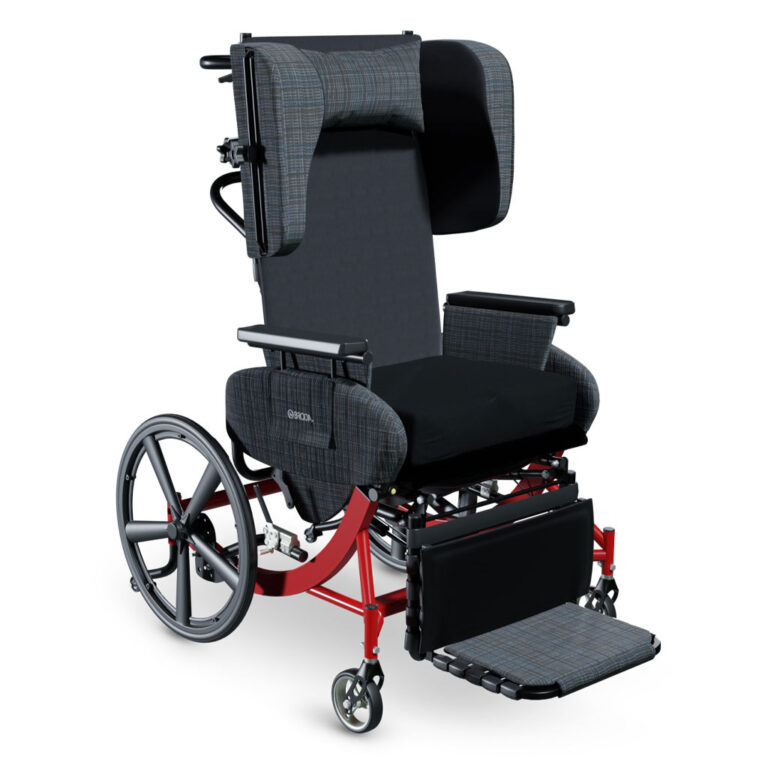
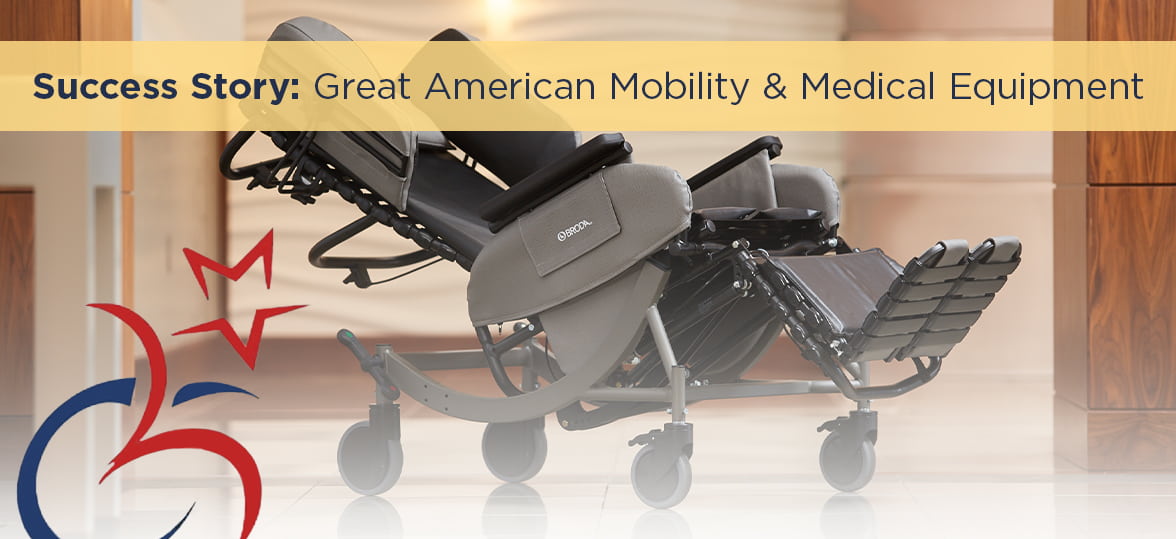
With tilt and recline, including the ability to lie fully flat, the Broda Synthesis supports the patient’s body in a way that reduces discomfort and increases tolerance. The patient can stay out of bed longer, without the same strain or instability as other chairs. It takes less effort to transfer them, and staff can position them correctly the first time.
For people who cannot tolerate traditional transfers, the fully reclined position of the Broda allows caregivers to slide them into the chair more safely and with greater dignity. Nurses and CNAs learn easily how to reposition patients, adjust support, and provide care without having to return them to bed.
Not the Only One
Wendy has seen the same transformation across multiple facilities. Patients who once remained in bed now spend time in common areas, participate in activities, and reconnect with their surroundings.
Caregivers notice the change right away. Families see their loved ones more comfortable and more alert. Therapists begin to think of other patients who could benefit. Features like WC-19 compatibility help facilities transport patients more efficiently, reducing reliance on costly stretcher transport.
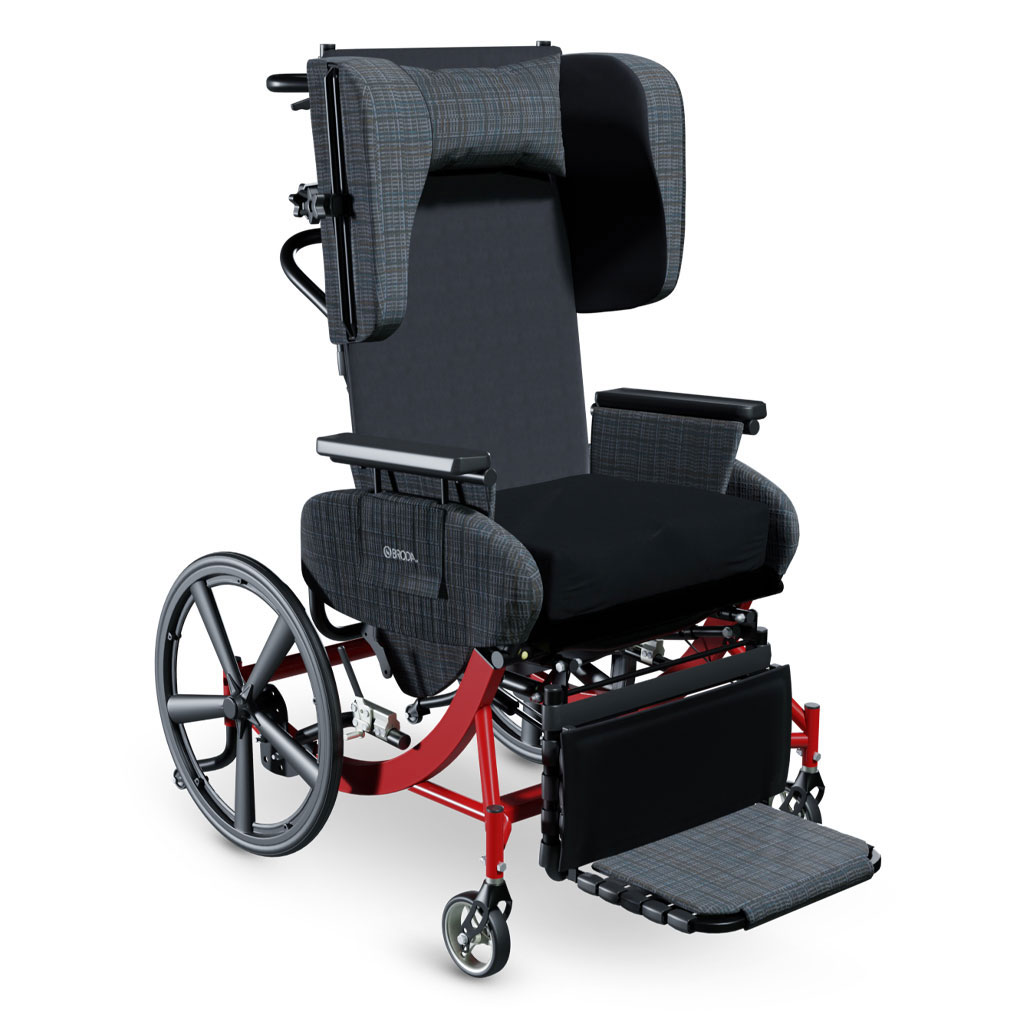
Custom Rehab Fit
Advanced positioning for comfort and pressure relief.
Safer Transfers
Swing-away & removable components simplify lateral transfers.
40° Tilt & 90° Recline
Advanced positioning for comfort and pressure relief.
Heavy-Duty Rehab Performance
Durable steel frame supports up to 350 lbs for daily use.
Caregiver-Friendly Design
Easy adjustments reduce caregiver strain.
A Better Standard of Care
Wendy appreciates the great value of the customizable chair:
When patients can get out of their rooms and stay comfortable, they’re able to be part of what’s happening around them again. That changes the day-to-day experience of care.

Improve Transfers for Your Team Today
Chat with a Broda team member to discover the best Broda for your needs.