A young mother kneels next to the fire, gently rocking her infant as she stares into the glowing embers. Thousands of miles away and hundreds of years later, a nursemaid wanders up and down a dimly lit nursery, rocking a restless baby back and forth in her arms. Their lives look nothing alike. Their cultures, languages, and circumstances could not be more different. Yet they share the same instinctive response.
Throughout human history, caregivers have rocked babies to sleep and turned to rhythmic motions during moments of stress or uncertainty. Long before researchers could study the brain or understand the nervous system, humans recognized that gentle movement seemed to provide comfort.
Today, science attempts to explain why. Researchers studying sleep, sensory processing, and the vestibular system have discovered that rhythmic motion may influence everything from relaxation and emotional regulation to sleep quality and overall wellbeing. What began as an ancient caregiving instinct may actually be rooted in the way the human brain responds to movement.
The Body’s Internal Motion Detector
Deep inside the inner ear lives the vestibular system, a network responsible for detecting movement, balance, and spatial orientation.
Every time we lean, turn our heads, walk, or change direction, the vestibular system works with our brain to understand, spatially, where we are. What many people don’t realize is that this system also communicates with areas of the brain involved in attention, arousal, and emotional regulation.
This connection may help explain why rhythmic movement feels so soothing.
Gentle rocking creates sensory input. Rather than constantly processing new information, the brain receives a steady, repetitive pattern of movement. This predictability signals a safe and stable environment, allowing the nervous system to shift away from heightened alertness and toward a calmer state.
In many ways, rocking provides a wordless form of reassurance.
Benefits of Rocking Across a Lifetime
Why Rocking Back and Forth May Help Us Sleep
Most people associate the rocking motion with infants, but researchers have found that adults may benefit from rhythmic motion as well.
Several studies examining vestibular stimulation during sleep found that gentle rocking helped participants transition into sleep more quickly and increased time spent in deeper sleep stages. Researchers also observed increases in sleep spindles, patterns of brain activity associated with sleep quality and memory processing.
Interestingly, similar effects have been observed in animal studies. Researchers studying mice found that rhythmic motion increased sleep duration and improved sleep consolidation, suggesting that the relationship between rocking and sleep may have deep biological roots.
Why is rocking soothing? While scientists continue to investigate exactly how vestibular stimulation influences sleep, the findings support a phenomenon we’ve observed since our childhood: people tend to drift off to sleep in a moving car, train, plane, or rocking chair.
More Than Relaxation
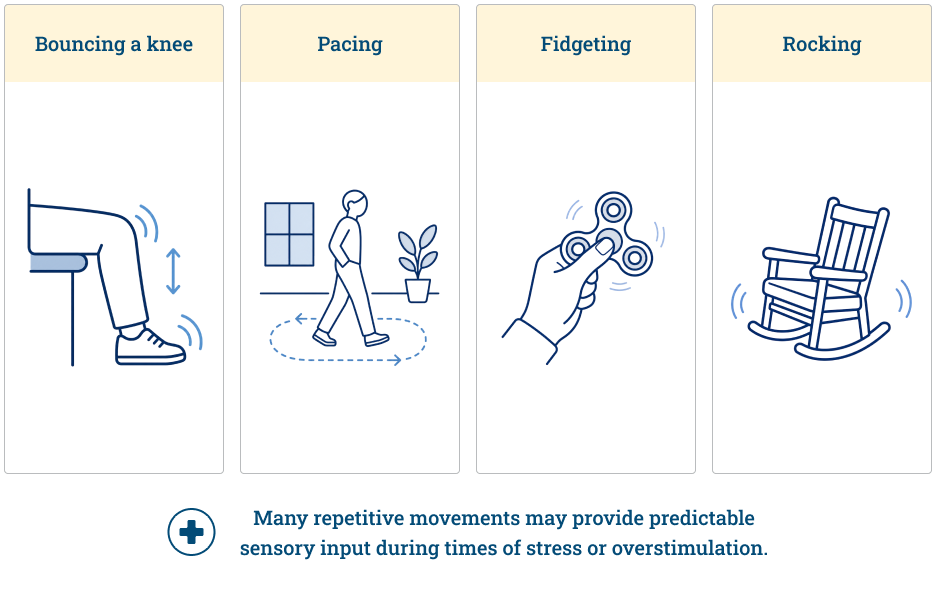
The benefits of rocking may extend beyond sleep alone. Think about it. When we’re anxious, we crave movement, even subconsciously. Our knees bounce up and down. We drum our fingers or fidget with the strings on our sleeves. Some of us pace the hallways until we wear the carpet thin.
Rhythmic movement encourages slower breathing, reduced muscle tension, and a lower heart rate. As movement becomes steady, the body drifts into a state of relaxation. Researchers sometimes refer to this process as nervous system regulation. Rather than remaining stuck in a fight, flight, or freeze response, the body receives cues that it can safely settle.
If rhythmic movement helps regulate the nervous system throughout life, it raises an interesting question: can children and adults with sensory processing issues benefit from the same soothing patterns of motion that comfort us as children?
Common Ways We Self-Regulate
Rocking in Dementia and Sensory Care
Clinicians have long recognized the connection between motion and emotional regulation. Research studies explore how rhythmic movement influences mood, agitation, and sensory processing. In dementia and sensory care settings, the calming effects of rocking may extend beyond the physical environment.
Individuals navigating the effects of Alzheimer’s disease, autism spectrum disorders, ADHD, and other sensory processing conditions often face self-regulation challenges. Repetitive movement can provide predictable sensory input, giving the body a steady rhythm to follow when the surrounding environment feels overwhelming or difficult to process.
Rocking also introduces bilateral movement, whether the motion is forward and back or side to side. This type of movement engages both sides of the body and may help support coordination between physical movement, sensory processing, and emotional regulation. For some individuals, that steady rhythm can create a more organized, settled state.
While rocking is not a treatment, it represents a simple, non-pharmacological way to introduce calming sensory input. For some individuals, gentle movement may help create moments of relaxation and connection.
Bringing the Benefits of Rocking into Care Environments
While rocking has been part of the human experience for thousands of years, modern care environments often limit opportunities for independent activity. This challenge has prompted healthcare providers and equipment manufacturers to fill the gap. If rocking offers benefits across so many settings, how can caregivers safely incorporate it into everyday care?
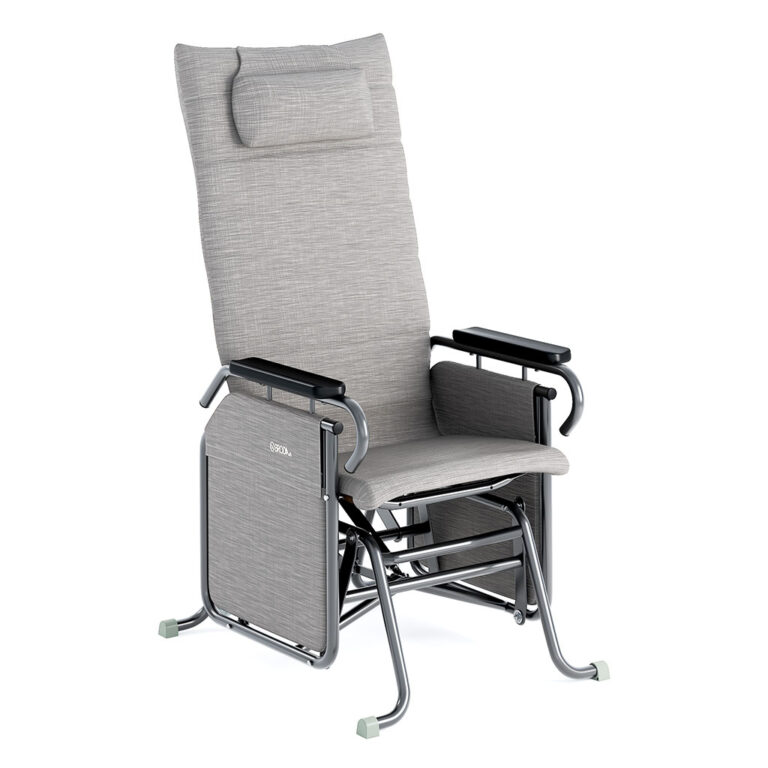
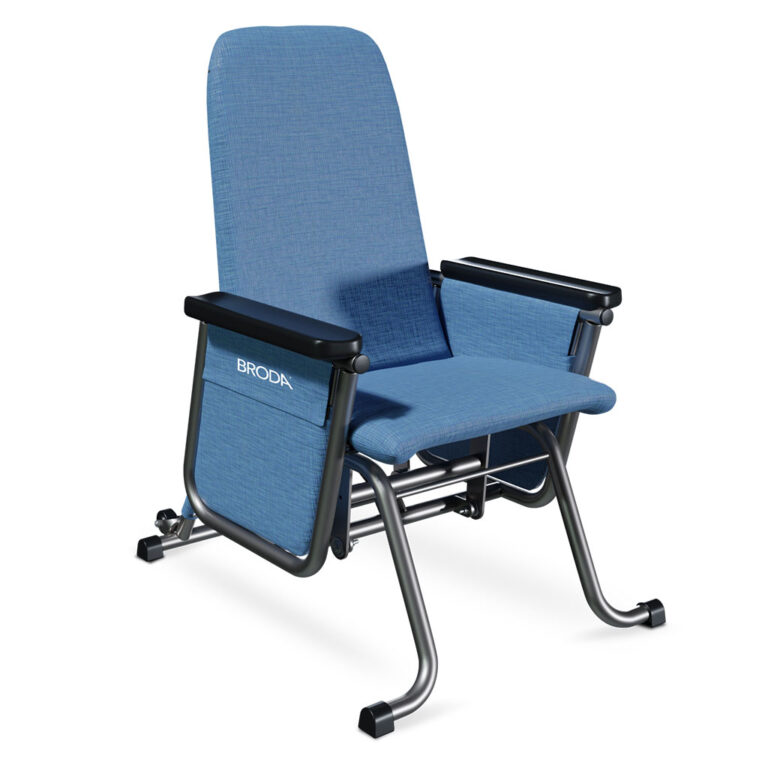
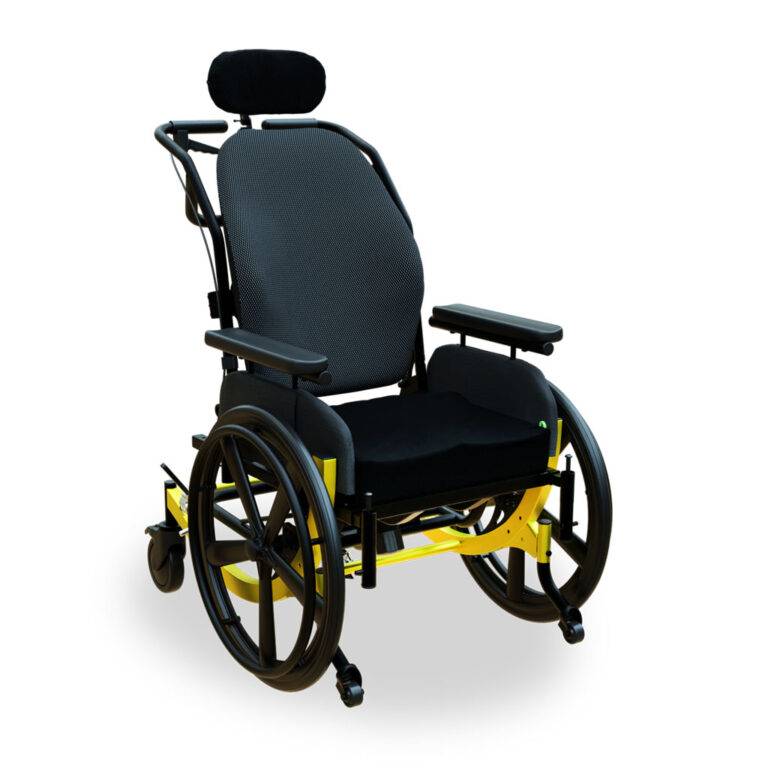
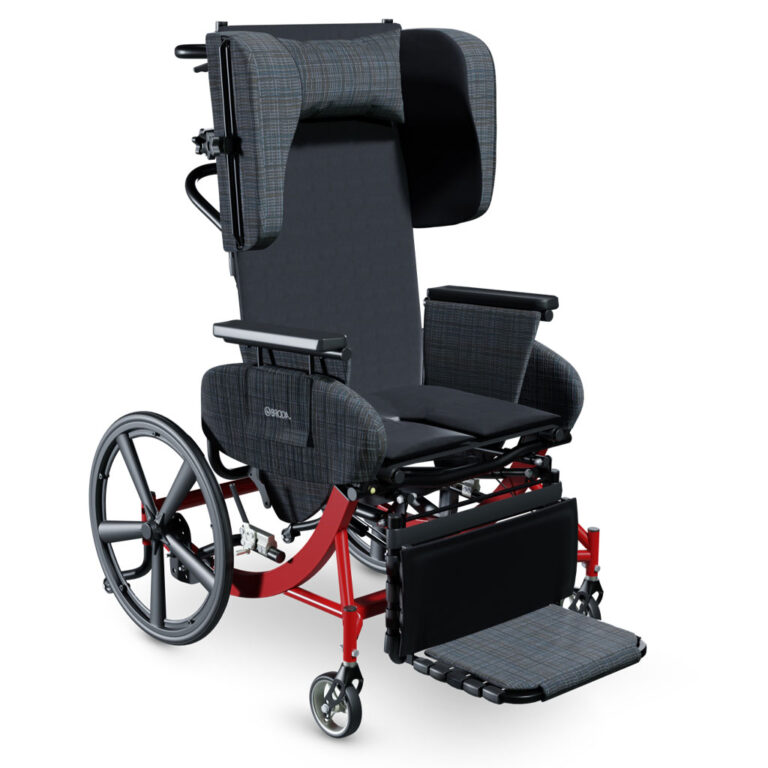
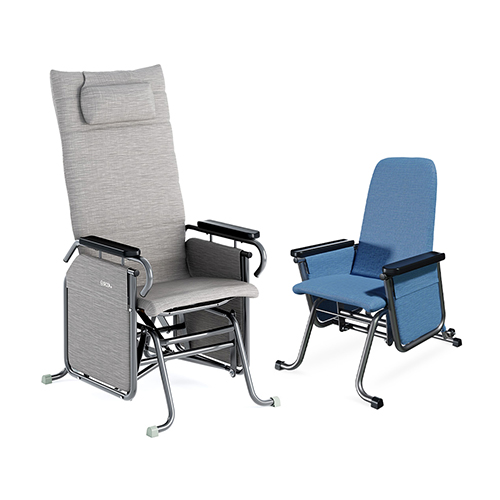
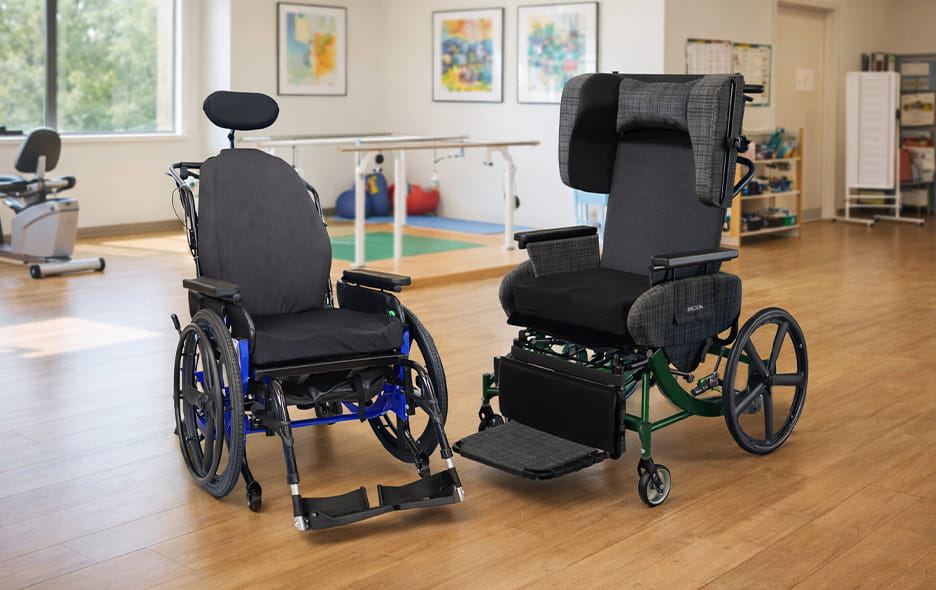
Today, specialized seating solutions allow individuals to experience the benefits of rocking while remaining safely supported. Accessible glider chairs, therapeutic rockers, and mobility devices with integrated rocking features can provide opportunities for movement in pediatric sensory settings, long-term care communities, and memory care programs.
In many ways, they transform an ancient human instinct into a practical tool for modern care.
Therapeutic Comfort
Comfort Tension Seating® provides pressure redistribution and lasting comfort.
Built for Daily Use
Durable construction and healthcare-grade materials withstand frequent use.
Supports Focus
Encourages attention, participation, and engagement during daily activities or therapy.
Calming Motion
Gentle gliding helps reduce anxiety, agitation, and sensory overload.
Why Humans Never Outgrow the Need to Rock
Throughout our life, movement connects us to the world around us. We take a walk around the park. We wade out into the river and cast a fishing line. Yet as we age, opportunities for satisfying, meaningful movement grow slim. Our bodies don’t move like they once did.
A recent study found that strength limitations and the perceived risk of falling significantly influence activity levels among older adults. Unsurprisingly, participants gravitated toward activities they found enjoyable and avoided those that caused discomfort, frustration, or anxiety. Researchers concluded that many older adults do not engage in enough daily movement to maximize their health.
This presents a challenge for caregivers and clinicians alike. How do you encourage movement when traditional forms of exercise feel physically demanding or intimidating? One answer may lie in activities that blend movement with comfort. Unlike structured exercise programs, rocking requires little effort while still introducing gentle physical activity throughout the day.
The rocking motion encourages circulation, engages muscles, and provides sensory stimulation without placing significant demands on the body. It also activates the vestibular system, which plays a central role in balance and spatial awareness. For older adults, this combination of movement and comfort may support confidence, engagement, and overall wellbeing.
We may outgrow cradles, but we never quite outgrow the comfort of being rocked.
A Motion We’ve Always Understood
Long before researchers studied sleep patterns, vestibular stimulation, or nervous system regulation, humans rocked babies to sleep in every culture and time throughout history. We sought comfort in rocking chairs on front porches and in living rooms. Instinctively, we turned to rhythmic motion during moments of stress, exhaustion, and uncertainty.
Today, science is beginning to understand our behaviors in greater detail. Why do people rock back and forth? How does movement influence our nervous system? What happens in dysregulated nervous systems? How can we use what we know to improve the quality of life for people of all stages?
For older adults, understanding the answers to these questions carries meaningful implications. Rocking offers more than a source of contentment. It provides an opportunity for movement, and connection to a rhythm the human body has responded to throughout life. While researchers continue to uncover the science behind rocking, the instinct itself remains remarkably unchanged: when we need comfort, we move.

Ready for a quote?
Chat with a dedicated sales rep today!